Common Reasons Family Immigration Petitions Are Delayed
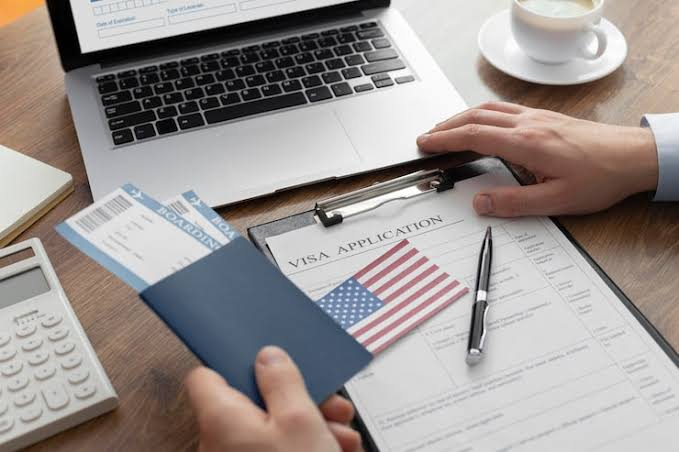
Family-based immigration allows eligible U.S. citizens and lawful permanent residents to sponsor certain relatives for immigration benefits. While many petitions move through the process without major issues, delays are common and can leave families waiting months or even years for a decision. Understanding the factors that contribute to these delays can help petitioners better prepare their applications and respond promptly to requests from immigration authorities.
Families navigating immigration matters often discover that processing times depend on more than simply submitting the required forms. Government workloads, documentation requirements, and eligibility reviews all play a role in how long a petition takes to process. Knowing what may slow the process can help applicants avoid preventable mistakes and manage expectations.
Incomplete or Incorrect Applications
One of the most common reasons family immigration petitions are delayed is submitting incomplete or inaccurate paperwork. Missing signatures, unanswered questions, outdated forms, or incorrect filing fees can prevent a petition from moving forward.
Under 8 C.F.R. § 103.2, applicants are generally required to properly complete and support immigration benefit requests with the necessary evidence. Reviewing every document carefully before filing can reduce the likelihood of unnecessary delays.
Requests for Additional Evidence
If immigration officials determine that more information is needed, they may issue a Request for Evidence (RFE). An RFE pauses the review process until the requested documentation is submitted and evaluated.
Additional evidence may include proof of family relationships, financial support documents, identity records, or other materials needed to establish eligibility. Responding completely and within the required deadline helps avoid further processing delays.
High Application Volumes
Family-based immigration petitions are processed alongside millions of other immigration applications each year. Increased filing volumes, staffing limitations, and administrative backlogs can extend processing times even when an application is complete.
Processing times also vary depending on the type of family relationship and the government office handling the petition. Applicants should understand that delays caused by agency workloads are often outside their control.
Visa Availability
Not every approved family immigration petition immediately results in a visa becoming available. Certain family preference categories are subject to annual numerical limits established by federal law under 8 U.S.C. § 1153, which governs family-sponsored immigrant visa allocations.
As a result, applicants in preference categories may need to wait until a visa number becomes available before the immigration process can continue. Immediate relatives of U.S. citizens are generally not subject to these annual numerical limits.
Background Checks and Security Screening
Government agencies conduct background checks and security screenings before approving many immigration benefits. These reviews help verify identity, examine criminal history where applicable, and ensure compliance with immigration laws.
While many background checks are completed without issue, some cases require additional review. This can extend processing times even when all required forms have been submitted correctly.
Changes in Personal Circumstances
A petition may be delayed if important personal circumstances change while the application is pending. Marriage, divorce, relocation, the birth of a child, or changes in financial circumstances may require updated documentation or additional review.
Applicants should promptly notify the appropriate immigration agency of changes that could affect their case. Keeping records current helps prevent avoidable complications during processing.
How to Reduce the Risk of Delays
Although some delays are unavoidable, careful preparation can improve the overall filing process. Gathering complete documentation, following filing instructions, and responding quickly to agency requests may help minimize unnecessary setbacks.
Working with an experienced immigration attorney can also help identify potential issues before filing. Legal guidance may reduce errors and improve the likelihood that the petition proceeds as efficiently as possible.
Key Takeaways
- Incomplete or inaccurate applications are among the leading causes of family immigration petition delays.
- 8 C.F.R. § 103.2 establishes requirements for properly completing and supporting immigration benefit requests.
- Requests for Evidence (RFEs) pause processing until the required documents are submitted and reviewed.
- Annual visa limits under 8 U.S.C. § 1153 may significantly affect waiting times for certain family-sponsored immigration categories.
- Government backlogs, security screenings, and changes in personal circumstances can also contribute to delays.
- Careful preparation and timely responses can help reduce avoidable processing issues.
