Why Pool Algaecide Is Important for Keeping Water Clean
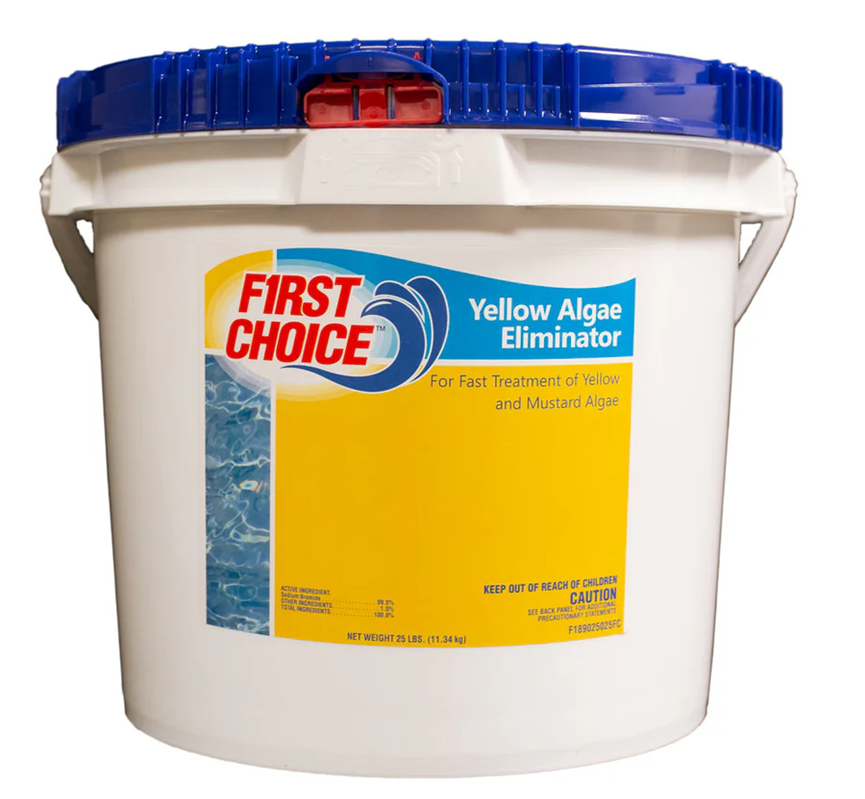
Keeping pool water clean and inviting requires more than just regular filtration and chlorine use. Algae are one of the most prevalent problems of pool owners that may result in a greenish cloudy mess in formerly clear water in a short period of time. This is where pool algaecide comes in. When used alongside pool shock treatment, it helps maintain a balanced, healthy pool environment and prevents recurring issues.
Algae Growth in Pools
Algae are tiny creature that grows best in warm sunny water, particularly when sanitizer is low or uneven. They may be of various types, such as green, yellow (mustard), and black algae, and they all need to be treated.
Unless preventive measures are taken, algae may grow rapidly, rendering the pool unsafe and hard to maintain. A pool algaecide can be used to control and prevent these organisms before they become a big issue.
What is Pool Algaecide?
A pool algaecide is a chemical that is specifically used to kill algae and to prevent the growth of algae in pool water. This is unlike chlorine, which is a general sanitizer, but algaecide is a specific agent that attacks algae.
It operates by interfering with the growth and reproductive processes of the algae cells and thus is an important component of a complete pool cleaning program. It delivers short and long-term protection when used in conjunction with pool shock treatment.
Preventing Algae Before It Starts
It is always better to prevent than cure. Frequent application of pool algaecide will prevent the occurrence of algae.
Through the appropriate chemical balance and by incorporating algaecide as a routine maintenance procedure, pool owners can avoid the inconvenience of having to cope with algae blooms. Regular use of a pool shock treatment may also be used to kill all hidden contaminants, which will help in the effectiveness of algaecide.
Supporting Water Clarity
Crystal clear water is one of the indicators of a well-maintained pool. The growth of algae may turn water cloudy or discolored within a short period of time.
The application of pool algaecide will make sure that algae do not disrupt the clarity of water. Combined with pool shock treatment, it can assist in decomposing the organic matter and giving the pool its clean look again.
Improving the Efficiency of Chlorine
Chlorine is necessary to sanitize pool water, but it is not necessarily sufficient to keep the algae in control, particularly when the weather is hot or when there are a lot of activities in the pool.
A pool algaecide makes the use of chlorine more effective by attacking algae directly. In the meantime, the pool shock treatment increases the amount of chlorine in the pool, making it sanitary and free of algae.
Reducing Maintenance Effort
An algae outbreak may be time-consuming and tedious to deal with. It can take scrubbing, frequent chemical treatments and long filtration.
The regular application of pool algaecide can save time and effort by decreasing the chance of such an outbreak. It is used in conjunction with a regular pool shock treatment to keep the pool environment under control.
Preventing Surface Damage
Algae may be deposited on the surface of pools, resulting in stains and possible damage with time. Black algae, especially, might be hard to eliminate, and it might necessitate the use of harsh treatment.
Algae can be prevented from attaching to surfaces by applying pool algaecide. This is further enhanced by a pool shock treatment, which breaks down organic material that contributes to staining.
Improving Swimmer Safety
Algae are not only known to influence the aesthetics of your pool but can also be hazardous to health. They cause slippery floors and may carry bacteria and other bad microorganisms.
A pool algaecide assists in ensuring a safe swimming pool by containing algae. In combination with pool shock treatment, it is made sure that water is in a proper state of sanitation and safe to use.
Balanced Water Chemistry
Balanced water chemistry is vital in the overall pool health. The growth of algae may disrupt this balance, causing even more complications.
Making pool algaecide a regular practice will help keep your pool in check concerning the chemical levels. A pool shock treatment can be used to quickly restore balance when needed, ensuring optimal conditions.
Cost-Effective Pool Care
Preventive maintenance can be quite less expensive than addressing significant issues. The time and amount of chemicals that will be required to treat a severe algae outbreak are huge.
By incorporating pool algaecide into your regular maintenance routine, you can avoid costly treatments. The strategic application of pool shock treatment is also an effective method of keeping water in good condition without the high use of chemicals.
When and How to Use Algaecide
To achieve maximum effectiveness, pool algaecide must be applied regularly, particularly in the warmer seasons, when the algae are more apt to grow. It may also be used when there has been heavy rain, increased pool use, or when algae develop early.
Before placing algaecides, a pool shock treatment is usually suggested, as this removes contaminants and makes the water more susceptible to algae control.
Long-Term Benefits of Using Algaecide
Regular application of pool algaecide can help to maintain healthy pools in the long term by ensuring that there are no repeat algae issues or that the water remains clear.
In conjunction with regular pool shock treatment, it is a complete method of pool care. This will keep your pool clean, safe and fun during the swimming season.
Final thoughts
Pool algaecide is an essential tool for keeping water clean and free from algae. By preventing growth, enhancing chlorine effectiveness, and supporting overall water balance, it plays a key role in maintaining a healthy pool environment.
Combined with pool shock treatment, it offers short and long-term protection, and can keep you out of typical pool troubles and clear, safe water all season long.