Why Architects for House Extensions Keep Talking About a Contingency I Didnt Want to Hear About
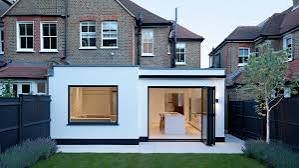
I had budgeted to the last pound. The build cost, the fees, the kitchen I wanted, all accounted for exactly. When the architects for house extensions kept pushing me to set aside an extra 10% for contingency, I resisted. That money was earmarked for nice taps and a better floor, not for some vague what if. Then we opened up the floor and found out why they had insisted.
A contingency is a pot of money you set aside for the unexpected. It sounds like pessimism, or like the architect hedging their bets. I treated it as money I could spend elsewhere, because surely with good planning nothing would go wrong.
What I learned is that on any project involving an existing house, there are things nobody can see until the work starts. The architect wasnt being gloomy. She was being realistic about a building none of us could see inside until the floor came up.
Why I Resisted the Idea
Every pound felt allocated. I had stretched the budget to afford the finishes I wanted, and the contingency felt like dead money sitting idle.
In my head, good design and a careful builder meant no surprises. Set everything up properly and the cost is the cost. The contingency seemed like an admission that the planning wasnt good enough.
So I pushed back. I wanted to reduce it, or skip it, and put the money toward the visible things I would actually enjoy. The architect held firm, and I went along with it reluctantly, half convinced it was wasted caution.
The Surprise Under the Floor
Then the build started. When the existing floor came up, the foundations underneath werent what anyone expected. The old structure was shallower and weaker than the age of the house suggested.
This is the kind of thing no survey from above can fully reveal. You only know once you open it up. The fix meant additional foundation work, which meant additional cost, right at the start of the build.
Without the contingency, I would have been stuck. Halfway into a project with a problem I couldnt afford to solve. Because the architect had insisted on that buffer, the extra work was covered and the build carried on without drama.
Why Older Homes Hide Surprises
The architect explained afterwards why she always insists. New builds are predictable. You start from nothing and control everything. Extensions are different, because you are joining onto an existing building full of unknowns.
Old foundations, hidden drains, dodgy previous work, rot, dampness. None of it shows until you start cutting in. Every extension carries this risk, and the older the house, the higher it climbs.
This is especially true in areas full of period properties. A friend used the same firm for a Victorian home. The House Architects in Surrey team had worked on it. They ran into almost the same foundation surprise. Older housing stock simply holds more secrets underground.
How the Contingency Saved the Project
Because the buffer was there, the foundation problem was an inconvenience rather than a disaster. We paid for the extra work from the contingency, the build continued, and I never had to find money I didnt have.
Compare that to friends who skipped the buffer. When their surprise turned up, they had to stop, scramble for funds, and delay everything while they sorted out money. The stress was enormous and the delay cost even more.
The contingency turned a potential crisis into a manageable bump. That is exactly what it is for. Not nice taps, but the thing that keeps the whole project from grinding to a halt.
What I Spent It On In the End
Here is the part that changed my mind completely. The foundation fix didnt use the whole contingency. There was money left at the end.
So I did get some of the nicer finishes after all, just from whatever the contingency didnt need. The difference is I spent it knowing the essential risk was already covered, rather than gambling that nothing would go wrong.
That order matters. Cover the unknown first, treat yourself with whatever survives. I had wanted to do it the other way round, and that would have left me exposed when the floor came up.
What to Set Aside Before You Start
Build a contingency into your budget from the start, separate from your finishes and your wishlist. Ten percent is a sensible minimum on an extension, more on an older or unpredictable house.
Treat it as untouchable until the structural surprises have passed. If you reach the end without needing it, then spend it on the nice things. But never start without it.
Six to eight months from that argument over contingency to a finished extension, with the foundation surprise long forgotten because it was simply covered. I thought the buffer was wasted money. It turned out to be the most important line in my budget. The architects kept talking about it for a reason.
