The Evolution of GLP-Based Peptide Research: From Semaglutide to Next-Generation Multi-Target Compounds
Peptide research has become one of the most closely followed areas of modern pharmaceutical science. Over the past several years, researchers have explored how specific peptide-based compounds interact with metabolic pathways involved in glucose regulation, appetite signaling, energy balance, and other physiological processes.
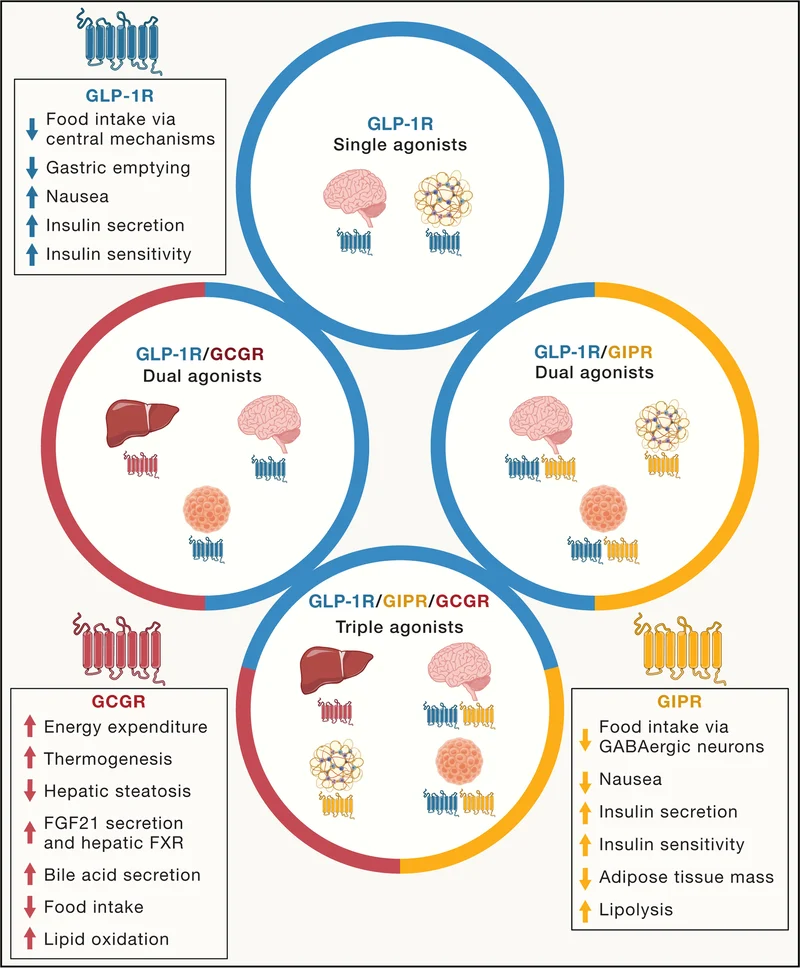
The development of semaglutide helped demonstrate the potential of targeting the GLP-1 receptor. Later research expanded toward compounds capable of interacting with multiple biological pathways. This progression has brought increasing attention to newer candidates such as tirzepatide and retatrutide.
Although these compounds belong to the broader field of metabolic peptide research, they represent different stages in the evolution of receptor-targeting strategies.
Understanding the Role of GLP-1 in Peptide Research
Glucagon-like peptide-1, commonly known as GLP-1, is a naturally occurring hormone involved in several physiological processes. Researchers have long studied its role in glucose-dependent insulin signaling, gastric emptying, appetite regulation, and energy metabolism.
Semaglutide became particularly significant within this area because it was developed as a long-acting GLP-1 receptor agonist. Its development demonstrated how modifying peptide structures could influence stability, half-life, and receptor activity.
From a research perspective, semaglutide helped establish an important foundation for studying long-acting peptide compounds. Its development also encouraged researchers to investigate whether targeting additional receptors could produce broader biological effects.
This question eventually contributed to the development of multi-receptor peptide candidates.
Semaglutide and the Single-Receptor Approach
Semaglutide represents a focused approach to receptor-based peptide research. By primarily targeting the GLP-1 receptor, researchers have been able to study the biological effects associated with this specific pathway.
The compound has been widely discussed in scientific literature because of its long-acting properties and its role in the development of modern GLP-1-based therapies.
For research organizations, pharmaceutical developers, and academic laboratories, semaglutide remains an important reference point when examining the progression of peptide design.
It provides a useful comparison for newer compounds that are designed to influence more than one receptor pathway.
Tirzepatide and the Expansion Toward Dual-Pathway Research
Tirzepatide represents a significant development in the evolution of metabolic peptide research. Unlike semaglutide, tirzepatide was designed to interact with both the glucose-dependent insulinotropic polypeptide, or GIP, receptor and the GLP-1 receptor.
This dual-pathway approach has attracted considerable interest among researchers because it allows scientists to investigate how multiple receptor systems may interact within the same compound.
The study of tirzepatide has therefore expanded the conversation beyond single-receptor agonism. Instead of focusing on one primary pathway, researchers can examine how combined receptor activity may influence biological signaling.
This broader approach has helped create a foundation for the development of even more complex peptide candidates.
The Emergence of Retatrutide and Multi-Receptor Research
Retatrutide represents another stage in the development of multi-target peptide research. It is commonly described in scientific discussions as a triple agonist candidate because it is designed to interact with GLP-1, GIP, and glucagon receptors.
This receptor profile has made retatrutide a major subject of ongoing research.
The scientific interest surrounding retatrutide comes from its multi pathway design. Researchers are investigating how activity across these three receptor systems may influence energy metabolism, glucose regulation, and other biological processes. As interest in this research continues to grow, many laboratories searching to buy GLP-3 (RTA) are looking for high quality research materials to support controlled preclinical studies.
Rather than examining a single receptor in isolation, researchers can use multi-receptor candidates to explore how different signaling pathways may work together.
This represents a broader shift in peptide research toward increasingly sophisticated molecular design.
Why Multi-Target Peptides Are Attracting Research Interest
The human body relies on interconnected biological systems. Metabolism, appetite signaling, glucose regulation, and energy expenditure are influenced by multiple hormones and receptors.
For this reason, researchers have increasingly explored whether compounds that influence more than one pathway may provide valuable insights into complex biological systems.
Multi-target peptide research can help scientists investigate questions such as:
- How do different receptor pathways interact?
- Can simultaneous receptor activation produce distinct biological responses?
- How does molecular structure influence receptor selectivity?
- What role does peptide stability play in research models?
- How can researchers compare single-target and multi-target compounds?
These questions are important for the future development of peptide-based research.
The Importance of High-Quality Research Materials
As peptide research continues to expand, the quality and documentation of research materials remain important considerations.
Researchers typically evaluate factors such as compound identity, purity, analytical testing, storage conditions, and documentation. Certificates of analysis, analytical reports, and laboratory testing can provide valuable information when evaluating research materials.
For those exploring peptide research materials and related scientific resources, Peptides Source provides a dedicated platform focused on research-oriented peptide products and information.
The broader peptide research sector continues to place increasing importance on transparency and analytical documentation. This is particularly relevant when researchers are comparing different compounds or planning laboratory investigations.
Comparing Different Generations of Peptide Research
The development of semaglutide, tirzepatide, and retatrutide illustrates how peptide research has evolved over time.
Semaglutide is associated with a primarily GLP-1-focused approach.
Tirzepatide expanded research toward combined GIP and GLP-1 receptor activity.
Retatrutide has taken the multi-receptor concept further by investigating the combined activity of GLP-1, GIP, and glucagon pathways.
These compounds should not be viewed as identical alternatives. Each has a different molecular design and receptor profile.
For researchers, comparing these compounds can provide valuable insights into how different receptor targets may influence biological outcomes.
The Role of Research Suppliers in a Growing Field
As interest in peptide science continues to increase, researchers need access to reliable information about the compounds being investigated.
Research suppliers can play a role by providing product documentation, analytical information, and educational resources that help laboratories better understand the materials they are evaluating.
Paradigm Peptides is one example of a research-focused platform operating within the expanding peptide sector.
The availability of clear product information is particularly important as researchers explore increasingly complex peptide candidates. Proper documentation can help support better research planning and more informed laboratory decision-making.
What the Future May Hold for Peptide Research
The future of peptide research is likely to involve continued investigation into receptor selectivity, multi-target compounds, peptide stability, and molecular optimization.
Researchers are also examining how computational tools, advanced analytical methods, and improved peptide engineering techniques may contribute to the development of new candidates.
The transition from single-receptor compounds to multi-receptor candidates demonstrates how quickly the field has evolved.
Semaglutide helped establish the importance of long-acting GLP-1 research. Tirzepatide expanded the focus toward dual-receptor activity. Retatrutide represents continued interest in compounds capable of interacting with multiple metabolic pathways.
Together, these developments highlight the growing sophistication of modern peptide science.
Final Thoughts
The evolution from GLP-1-focused compounds to dual and triple receptor candidates reflects a broader shift in pharmaceutical research.
Semaglutide, tirzepatide, and retatrutide each represent different approaches to studying peptide biology. Their distinct receptor profiles provide researchers with opportunities to examine how individual and combined pathways influence complex biological systems.
As research continues, multi-target peptide design is likely to remain an important area of scientific investigation. Continued improvements in analytical testing, molecular engineering, and research methodology may help scientists better understand the potential of next-generation peptide compounds.
For laboratories and research organizations, maintaining a focus on reliable documentation, responsible research practices, and scientifically informed evaluation will remain essential as the field continues to develop.
