The Benefits of Upstander Training for Students and School Culture
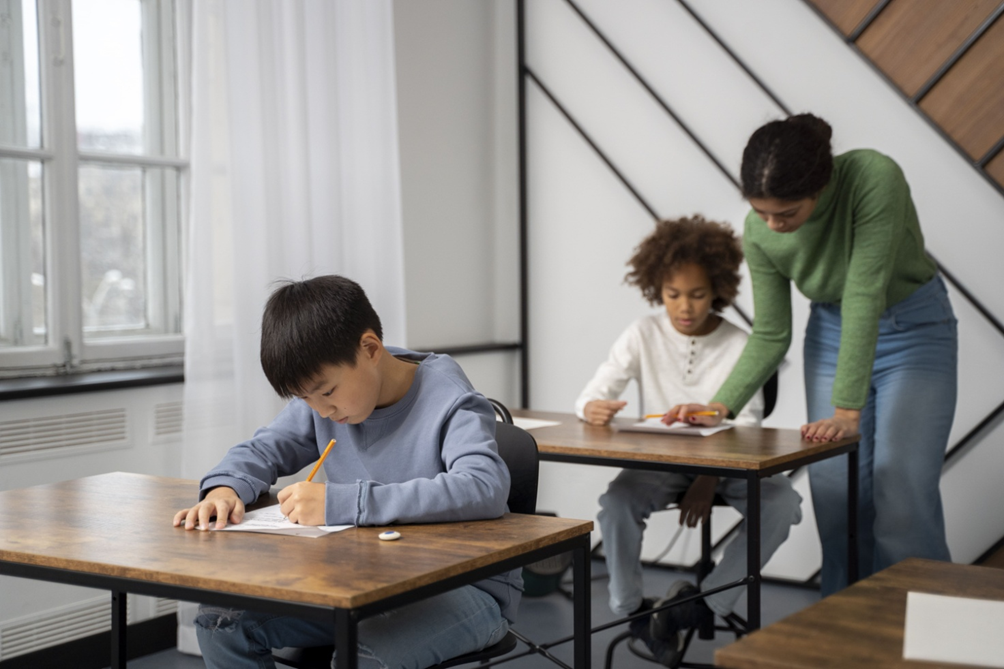
Creating a positive and respectful school environment requires more than rules and policies. Empathy, communication and confidence in social situations are growing areas of emphasis for schools today. An intervention that is being used in schools is ‘upstander training’, where students are taught to identify harmful behaviour and take an active and supportive role in response.
Passive bystander behaviour is about awareness, accountability, and respectful action in an upstander mindset. Some schools are also incorporating anti-bullying education for students as part of their curriculum to ensure emotional safety, foster positive peer relationships, and build a more positive school culture.
An upstander is a person who becomes involved when they see behaviour that could have a negative impact on another person. Instead of turning a blind eye to situations of exclusion, teasing or bullying, an upstander is expected to do something in a safe and respectful way.
Upstander behaviour might include:
- Helping a peer who is feeling lonely
- Reporting bad behaviour to an adult whom they know and trust to take appropriate action
- Redirecting negative conversations
- Including others in activities or discussions
- Praising positive peer interactions
Students are provided with structured upstander training to teach those ways to behave thoughtfully and responsibly in social situations.
Why Schools Are Focusing on Upstander Training
Schools are an important institution in the development of socialisation. The school culture significantly affects the patterns of behaviour and emotional state of students as they spend a considerable part of their day with each other.
Typical bullying prevention programs typically emphasise disciplinary measures. Although accountability is key, many teachers have come to understand that prevention strategies that foster positive peer influence are important.
This is where anti-bullying training for students can contribute to a healthier environment.
Encouraging Student Confidence and Responsibility
One benefit of upstander training is that it encourages students to feel more confident in social situations. There may be many situations where students see poor behaviour and don’t know what to do or say about it.
It is common for a training program to include role-play exercises, examples, and communication tools for students to practice responding with respect. This preparation may help them feel more comfortable to speaking up or offering support when they need to.
Supporting a More Inclusive School Environment
A philosophy of respect, understanding and positive peer relationships is the basis for inclusive school environments. Students feel emotionally safe and accepted, thus more likely to participate, collaborate, and learn.
Empathy and taking perspective are common features of anti-bullying training programs for students. These conversations make students aware of the impact of exclusion, teasing, or hurtful language on others.
As time goes on, fostering respectful relationships can lead to:
- Improved peer relationships
- Greater classroom participation
- Increased social inclusion
- An increase in positive student interactions
Developing Communications and Leadership skills
Upstander training is beneficial for communication and leadership skills as well. Students are taught to deal with social situations in a relaxed and respectful manner and to take into account the emotions of other people.
These skills may include:
- Active listening
- Conflict resolution
- Teamwork
- Emotional awareness
- Responsible decision-making
There can also be opportunities for students to become role models for respectful behaviour in their peer groups and opportunities for leadership.
The acquisition of these interpersonal skills can help students to succeed in school and later in their educational, social and professional lives.
Promoting Emotional Awareness
There are many different feelings that students will have during their school experience. Understanding the link between emotions and behaviour can help to foster healthier interactions and increased self-awareness.
A number of anti-bullying training programs for students feature discussions of empathy, emotional management and respectful communication. These discussions add to students’ thinking about the impact of their behaviour on others.
Similarly, emotional awareness could help to enable students to identify when they need to encourage or support others. This can help develop better peer relationships and a stronger sense of community in the school.
Strengthening School Culture
The culture of the school is formed by the interactions that occur between students, teachers, and staff every day. A positive school culture may manifest itself in a variety of ways, including consistency of values—respect, inclusion, accountability, and collaboration.
Incorporating upstander training into school programs can help reinforce these values in the school community. Students who are empowered to create positive behaviours in their classrooms can help to foster positive relationships and communication with others.
A good school culture can also help to support:
- Better student engagement
- More opportunities to be active at school
- Improved student/staff relationships
- Improved classroom cooperation
A sense of belonging to their school in turn helps students make positive contributions to the school community.
Final thoughts
Establishing a positive and respectful school culture is about more than just setting rules. It must give students a sense of responsibility, connection and empowerment to play a role in positive interactions with peers.
Upstander training provides practical strategies for students to respond appropriately in social situations while fostering confidence and empathy and building communication skills. Aside from anti-bullying training for students, a number of programs also assist schools to advance inclusion, emotional awareness, and better school culture.
By encouraging students to support one another and participate in respectful interactions, schools can foster environments where students feel safer, more engaged, and better prepared for future social experiences.