Education and Students: Building the Future Together
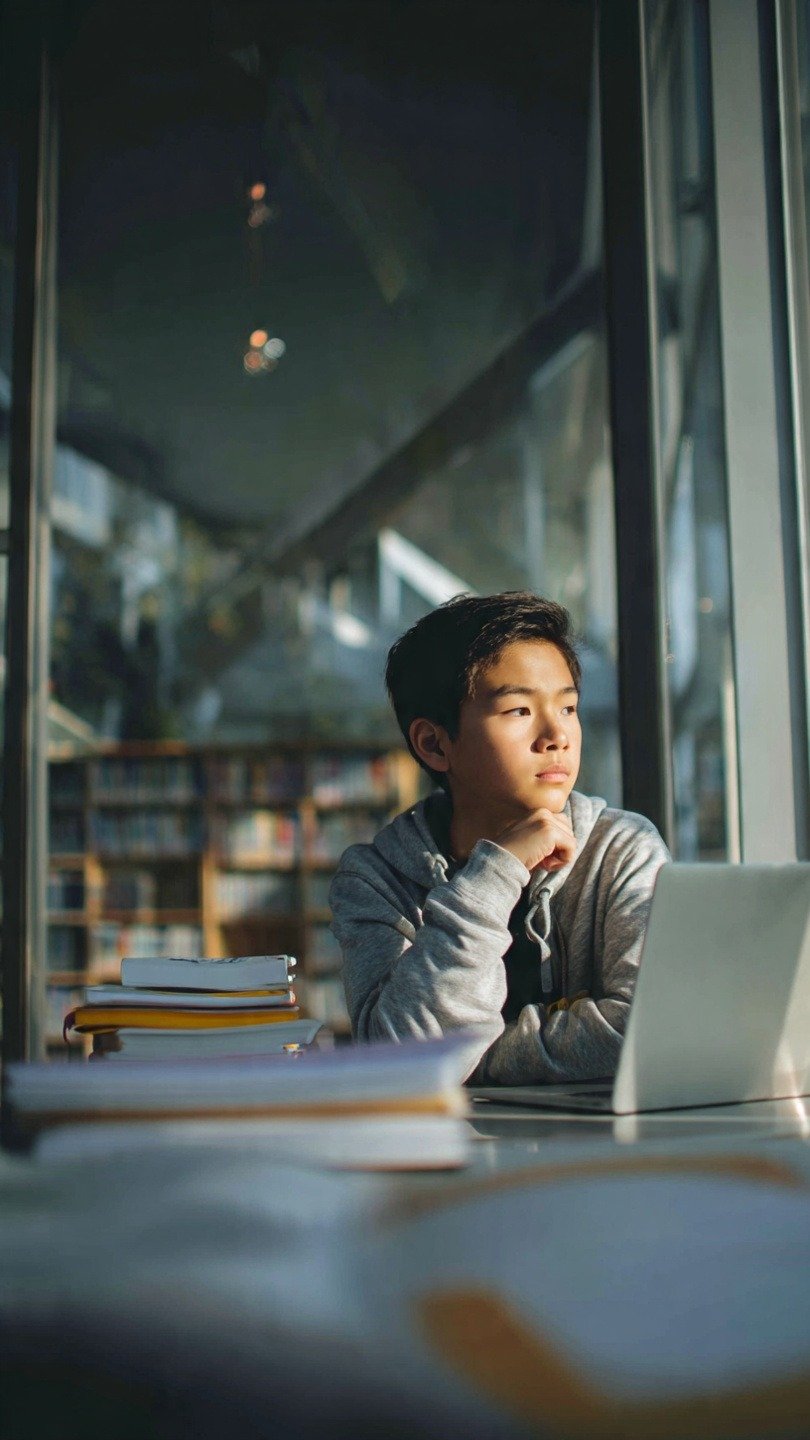
Education is not just about books and exams. It’s about shaping how students think, solve problems, and grow into responsible people. In 2026, education looks very different from 10 years ago, but one thing hasn’t changed: students are still at the center of it.
1. What Education Means for Students Today*
For students, education is now 3 things:
1. *Knowledge*: Learning core subjects like math, science, languages, and history.
2. *Skills*: Problem-solving, communication, digital literacy, and teamwork.
3. *Character*: Discipline, curiosity, empathy, and resilience.
The goal is no longer just to score marks. It’s to prepare students for real jobs, real challenges, and a fast-changing world.
*2. How Students Learn Best in 2026*
Every student learns differently, but some methods work for almost everyone:
– *Active Learning*: Instead of just listening, students do projects, debates, and experiments. This helps them remember 80% more.
– *Tech + Human Touch*: Online classes, AI tutors, and educational apps help with practice. But teachers are still needed for guidance and motivation.
A student’s success today depends on both knowledge and practice. Studying theory is important, but taking regular mock tests helps students build speed, accuracy, and confidence before the real exam. If you’re preparing for campus placements, an AMCAT Practice Test is one of the best ways to understand the exam pattern, identify weak areas, and improve your score in aptitude, reasoning, and English sections.
– *Practice Over Cramming*: Students who take regular practice tests, quizzes, and mock exams retain information longer. This is why tools like practice tests are so popular now.
– *Skill-Based Learning*: Coding, design, public speaking, financial literacy. Students want skills they can use on day 1 of a job.
3. Biggest Challenges Students Face*
1. *Information Overload*
With YouTube, TikTok, and 100s of courses, students get distracted. Learning to focus is a skill now.
2. *Pressure and Stress*
Board exams, entrance tests, placements. The competition is high. Mental health support in schools is more important than ever.
3. *Gap Between Syllabus and Industry*
Many students feel what they study in class isn’t what companies ask in interviews. That’s why internships and projects matter.
4. *Access*
Not every student has the same internet, devices, or coaching. Bridging this gap is key for fair education.
4. The Role of Teachers and Parents
Teachers are no longer just “lecturers”. They are mentors and coaches. Their job is to guide students on _how_ to learn, not just _what_ to learn.
Parents play a big role too. Support, not pressure, helps students perform better. Asking “what did you learn today?” works better than “how many marks did you get?”
5. Skills Every Student Should Build*
Beyond degrees, these 5 skills will help students in any career:
1. *Critical Thinking*: Question, analyze, and don’t just accept information.
2. *Communication*: Write emails, give presentations, explain ideas clearly.
3. *Digital Skills*: MS Office, basic coding, data analysis, AI tools.
4. *Adaptability*: The job you’ll do in 2030 probably doesn’t exist yet.
5. *Self-Learning*: Know how to learn something new on your own using online resources.
6. How Students Can Take Control of Their Learning*
– *Set small goals*: “Complete 1 chapter + 20 practice questions this week” beats “study everything”.
– *Teach to learn*: Explain a concept to a friend. If you can teach it, you know it.
– *Use practice tests*: They show you where you’re weak before the real exam.
– *Join communities*: Study groups, coding clubs, debate teams. You learn faster with others.
– *Take breaks*: 50 minutes study, 10 minutes break. Your brain needs rest to remember.
Final Thoughts
Education is the bridge between who a student is today and who they want to become tomorrow.
For students: Don’t just chase marks. Chase skills, curiosity, and growth.
For schools and colleges: Don’t just teach syllabus. Teach how to think.
For parents: Don’t just expect results. Provide support.
When students, teachers, and parents work together, education stops being about passing tests. It becomes about building a better future.
