Understanding Peptide Purity: Why It Matters in Scientific Research
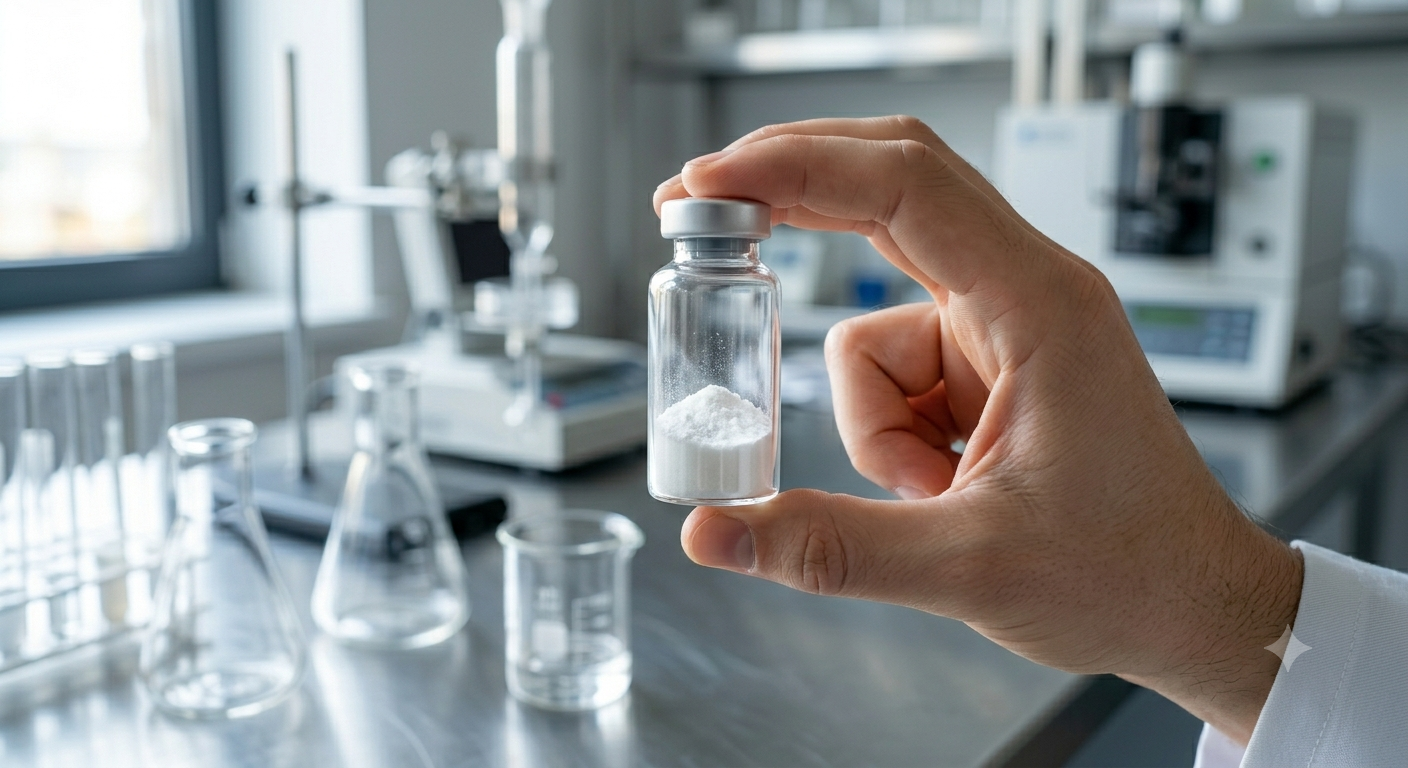
In scientific research, precision is everything. Every experiment relies on carefully selected materials, standardized procedures, and reproducible results. Among these variables, the quality of research peptides plays a significant role in ensuring that laboratory studies remain accurate and consistent.
One of the first specifications researchers examine before purchasing a peptide is its purity. Although it may appear to be just another number on a product page, peptide purity can influence experimental reliability, data interpretation, and overall research quality.
Whether you’re working in biotechnology, molecular biology, or analytical chemistry, understanding peptide purity will help you make informed purchasing decisions.
What Does Peptide Purity Mean?
Peptide purity refers to the percentage of the final product that consists of the intended peptide sequence. During synthesis, small amounts of by-products or incomplete sequences may also be created. Purification techniques are used to remove these impurities before the peptide reaches researchers.
For example, a peptide listed as 98% pure means that approximately 98% of the sample contains the desired peptide, while the remaining portion consists of trace impurities or synthesis-related compounds.
Different research applications may require different purity levels, making it essential to review product specifications before beginning any laboratory work.
Why Purity Is So Important
Every scientific study depends on reliable materials. If impurities are present in significant amounts, they may introduce unwanted variables into experimental procedures.
High-quality research peptides help scientists by providing:
- Better experimental consistency
- Greater confidence in analytical results
- Improved reproducibility
- Reduced uncertainty during laboratory testing
- Higher overall research standards
This is why experienced researchers rarely make purchasing decisions based on price alone. Instead, they evaluate technical documentation and manufacturing transparency before selecting a supplier.
How Is Peptide Purity Measured?
Most reputable manufacturers use advanced analytical techniques to determine purity after peptide synthesis.
Some of the most common methods include:
High-Performance Liquid Chromatography (HPLC)
HPLC is widely used to separate and analyze compounds within a peptide sample. It provides researchers with valuable information about the composition of the final product.
Mass Spectrometry
Mass spectrometry helps verify the molecular weight of a peptide, confirming that the synthesized sequence matches the intended design.
Additional Quality Testing
Depending on the manufacturer, laboratories may perform further analytical procedures to validate identity and overall product quality.
These testing methods give researchers greater confidence when selecting materials for scientific investigations.
Does Every Research Project Require the Same Purity?
Not necessarily.
The purity requirements for a peptide often depend on the objectives of the research project. Some laboratory applications may tolerate lower purity levels, while others demand highly purified materials to minimize experimental variables.
Before placing an order, researchers should evaluate the technical requirements of their specific study and compare them with the product specifications provided by the supplier.
Why Documentation Matters
Purity claims should always be supported by documentation.
Reliable peptide suppliers typically provide technical information that allows laboratories to review analytical testing before making purchasing decisions.
Useful documentation often includes:
- Purity percentages
- HPLC chromatograms
- Molecular weight confirmation
- Batch identification
- Storage recommendations
Having access to this information helps researchers maintain confidence throughout their projects.
Choosing a Supplier That Values Quality
Finding a dependable supplier involves more than browsing product catalogs. Researchers should consider how much information a company provides about its manufacturing and quality assurance processes.
When evaluating suppliers, ask yourself:
- Are analytical reports available?
- Is product information clearly explained?
- Does the supplier emphasize transparency?
- Are storage recommendations provided?
- Is technical support available if questions arise?
These factors often say far more about a supplier than pricing alone.
Quality Starts Before the Order Is Placed
Experienced laboratories understand that successful experiments begin long before a shipment arrives.
Reviewing specifications, comparing documentation, and understanding manufacturing practices can save valuable time later in the research process.
Researchers looking for detailed product information often appreciate suppliers that prioritize transparency over marketing claims. Pharma Grade Peptides is a supplier that provides technical details designed to help laboratories evaluate research materials before making a purchase, making the selection process more informed and efficient.
Storage Helps Preserve Purity
Even the highest-quality peptide can degrade if stored improperly.
General laboratory recommendations include:
- Keeping lyophilized peptides under recommended temperature conditions
- Avoiding prolonged exposure to moisture
- Using clean laboratory handling techniques
- Minimizing unnecessary freeze-thaw cycles
- Following supplier storage guidance
Proper handling helps maintain peptide integrity throughout the duration of a research project.
Avoid These Common Buying Mistakes
Researchers new to peptide sourcing sometimes overlook important details that can affect their work.
Purchasing Without Reviewing Documentation
Always read the available specifications before ordering.
Ignoring Batch Information
Batch documentation supports consistency across multiple experiments.
Selecting a Supplier Based Only on Cost
A lower price may not include the same level of analytical testing or quality assurance.
Overlooking Technical Support
Responsive customer service can be valuable when questions arise regarding storage, documentation, or product specifications.
Building Long-Term Confidence in Your Research
Consistency is one of the foundations of scientific progress.
Many laboratories establish long-term relationships with suppliers that consistently provide detailed documentation and dependable product quality. This approach reduces uncertainty and simplifies procurement for future research projects.
If you’re comparing different sources for research-grade peptides, it’s worth choosing a supplier that combines a broad product catalog with clear technical information. Peptides Source offers researchers access to an extensive selection of research peptides supported by product specifications that make it easier to identify suitable materials for a variety of laboratory applications.
Frequently Asked Questions
What is considered a high-purity peptide?
The required purity depends on the intended research application. Researchers should always review the specifications relevant to their experimental protocols.
How do manufacturers verify peptide purity?
Purity is commonly assessed using analytical techniques such as High-Performance Liquid Chromatography (HPLC) and Mass Spectrometry.
Why should researchers review technical documentation?
Documentation provides insight into product testing, quality assurance, and manufacturing consistency, helping researchers make informed purchasing decisions.
Can storage conditions affect peptide quality?
Yes. Improper storage may reduce peptide stability over time, which is why laboratories should always follow the supplier’s recommended handling and storage guidelines.
Final Thoughts
Peptide purity is far more than a specification on a product label—it’s a key factor in achieving reliable and reproducible scientific results. By understanding how purity is measured, reviewing analytical documentation, and choosing suppliers that value transparency, researchers can strengthen the foundation of their laboratory work.
Taking a little extra time to evaluate product quality before ordering can make a meaningful difference throughout the entire research process. As peptide science continues to evolve, informed sourcing decisions will remain an essential part of successful laboratory research.
