Is Summer Humidity Damaging Your Crawl Space?
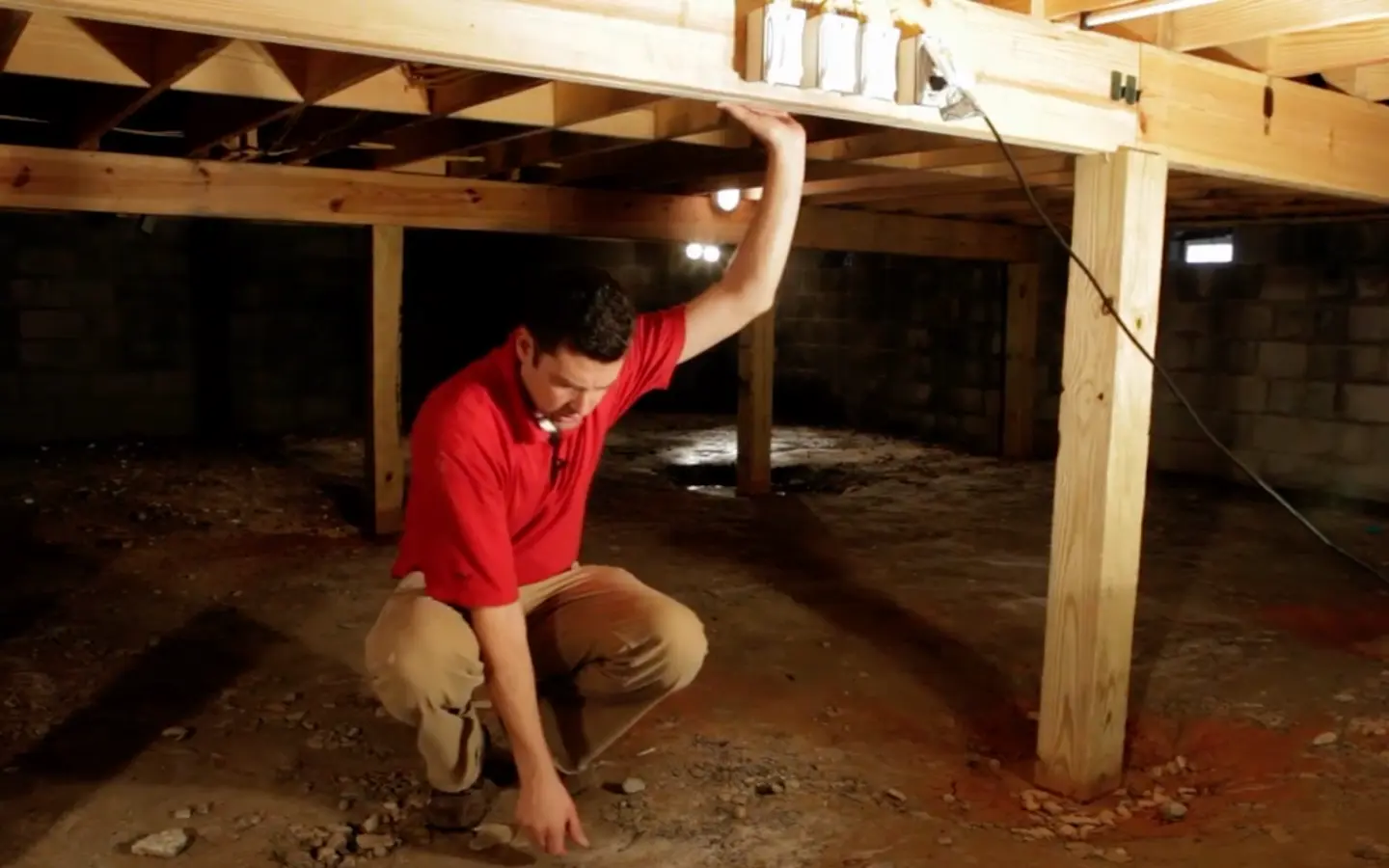
Summer humidity does more to a house than make the air feel heavy. It works its way into the crawl space underneath the home. It soaks into wood and concrete. The damage doesn’t always show up right away, sometimes not for months. That slow buildup is usually what pushes someone toward foundation repair Hampton VA companies handle. By then they’ve often already spotted a crack, or a floor that doesn’t feel level anymore.
Hampton sits close enough to the water that humidity sticks around most of the year, not just summer. A lot of older homes here were built without today’s humidity control methods. That’s a big reason why older properties run into foundation trouble more often than newer builds.
How Humidity Actually Damages a Foundation
Both wood and concrete absorb moisture. They do not cope with this very well. Wood expands and contracts when the level of moisture increases and decreases. This constant change makes the connections of a crawl space wear off eventually. On the contrary, concrete absorbs moisture through its pores. This moisture may freeze and crack the concrete, even in the places which never experience severe cold.
It is here that crawl space foundation repairs become necessary. The person detects those symptoms, such as an uneven floor, stuck doors, cracks on the wall. All these symptoms have been developing during all these years due to the process of moisture absorption under the house.
Signs Humidity Has Already Caused Damage
A few warning signs tend to creep in slowly, which is exactly why they get missed until things are fairly far along.
- Doors or windows that stick or won’t close right anymore, especially ones that used to work fine.
- Visible gaps showing up between walls and ceilings, or where flooring meets the baseboards.
- A musty smell that hangs around in rooms above the crawl space no matter how much cleaning happens.
- Floors that sag or feel uneven walking across a room.
- Cracks in the foundation wall, especially ones that seem to grow wider over a season or two.
None of these alone means a foundation’s in serious trouble. Two or three showing up together, though, is usually worth getting a professional to look.
Preventing Humidity Damage vs Fixing It After the Fact
| Factor | Prevention | Repair After Damage |
| Cost | Lower, ongoing maintenance | Higher, often a larger single project |
| Timing | Done before problems start | Done reactively once damage is visible |
| Scope of work | Vapor barriers, dehumidifiers, sealing | Structural repair, jacking, possible replacement |
| Long term outcome | Prevents most future issues | Fixes current damage, may need monitoring |
Prevention almost always costs less in the long run, but plenty of homeowners only get involved once repair’s unavoidable, which makes sense given how gradual the early signs usually are.
What a Foundation Repair Process Typically Involves
The first step is always an inspection to determine crawl space conditions, moisture, and how well the foundation walls and support beams are working. From here, the contractor can determine whether the problem is purely cosmetic such as a minor crack or structural, where the problem may involve a beam shifting or sagging due to extra load.
Some structural repairs include installing support piers, jacking the sagging section into place, or replacing wood that has rotted beyond repair. On the other hand, moisture is also controlled because addressing the structural issue without controlling moisture will only mean the same problem occurring again in the future.
Why Timing Matters More Than People Expect
Foundation issues don’t tend to remain small forever. If a small crack is spotted early enough, then it may just require sealing and monitoring. But ignore the same crack for a couple of humid summers and you’ll end up paying a much higher price than the cost of the repairs themselves.
Early detection by a homeowner generally result in much lower costs in the long run because water damage increases with time rather than remaining constant.
Frequently Asked Question
How will the high humidity levels in summer affect foundation in comparison with any other season?
During summer, the humidity is very high and moisture seeps easily through wood and concrete as compared to colder months.
Is the structural damage caused by humidity repairable completely?
Most structural damages are repairable but how well or how completely it is done will depend upon how much the situation had deteriorated before someone decided to intervene.
Will there always be a musty odor when you have foundation issues?
The presence of musty smell does not necessarily indicate foundation issues but it may often be a sign that you are having excess moisture somewhere near.
How often should you check the condition of crawl space during humid weather conditions?
It would be enough if you inspect your crawl space once every year but there are times when two inspections in a year prove better.
Does fixing the foundation also fix the humidity problem, or are they separate issues?
Related, but not the same fix. Structural repair deals with existing damage, while moisture control, a vapor barrier or dehumidifier, deals with what’s causing it in the first place.
Humidity works slowly, and that’s exactly why it catches so many homeowners off guard. Paying attention to the early signs, instead of waiting around for something obvious like a cracked wall, is usually what separates a manageable repair from a much bigger project down the road.
