How Should a Women’s Motorcycle Jacket Fit? Sizing, Comfort & Protection Tips
Short Answer
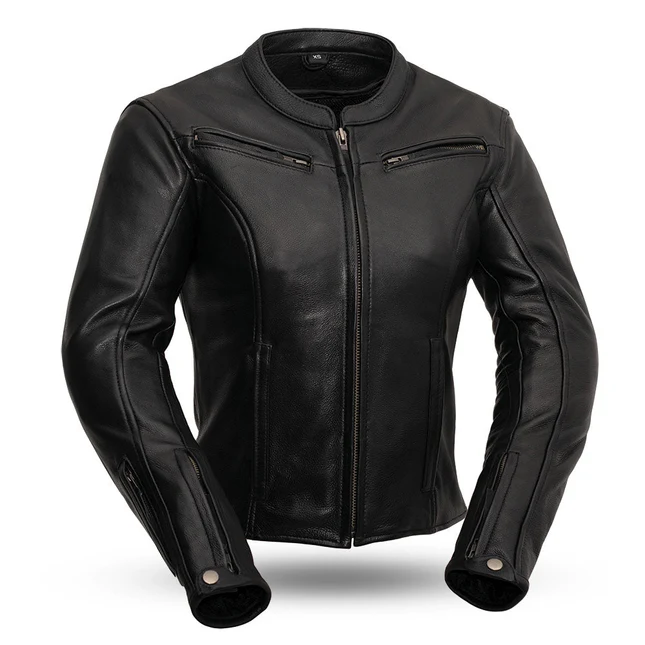
A womens motorcycle jacket should fit close enough to stay secure while riding, but not so tight that it limits movement. The shoulders should feel comfortable, sleeves should reach the wrists in riding position, and the jacket should allow room for light layers while keeping protective areas properly aligned.
Fit Should Feel Right on the Bike, Not Just in the Mirror
A jacket can look perfect while standing and still feel wrong once you sit on a motorcycle. Riding changes your posture. Your arms reach forward, your shoulders shift, your back stretches, and the jacket moves differently than it does when you are walking around.
That is why fit should always be judged in a riding position. A good jacket should feel secure without feeling restrictive. It should move with your body, support your riding posture, and stay comfortable during short rides, longer routes, and changing weather.
For women riders, sizing can be especially important because chest, waist, hip shape, sleeve length, and shoulder width can vary a lot from standard jacket cuts. The best fit is not just about the label size. It is about how the jacket feels when you actually ride.
Start with the Shoulders
Shoulder fit is one of the first things to check. If the shoulders are too tight, the jacket can restrict arm movement. If they are too loose, the jacket may shift around while riding.
A good shoulder fit should:
- Sit naturally at the shoulder points
- Allow arms to move forward comfortably
- Avoid pulling across the upper back
- Feel secure without pinching
- Keep armor areas aligned if the jacket has armor pockets
When trying on a jacket, reach forward as if holding handlebars. If the shoulders pull too much or feel tight across the back, the jacket may not be the right size or cut.
Check the Chest Fit
The chest area should feel secure but not compressed. A jacket that is too tight across the chest can make breathing and movement uncomfortable, especially during longer rides.
The chest should allow:
- Natural breathing
- Comfortable arm movement
- Room for a base layer
- No major pulling at the zipper
- No gapping if the jacket is closed
- Comfortable posture while seated
If the zipper pulls heavily across the chest, the jacket may be too small. If there is too much extra room, the jacket may shift or feel bulky.
A womens motorcycle jacket should fit the chest in a way that feels supportive, not restrictive. Riders should test the jacket closed, open, standing, and seated if possible.
Pay Attention to Sleeve Length
Sleeve length is one of the most common fit problems. A sleeve that looks right while standing may become too short when your arms reach forward to the handlebars.
For riding, sleeves should reach the wrists when your arms are extended. They should not pull halfway up the forearm in riding position.
Good sleeve fit should:
- Cover the wrists while riding
- Work with gloves
- Avoid bunching too much at the wrist
- Allow elbow movement
- Keep elbow armor aligned if included
- Feel comfortable with arms forward
If you wear gloves, check how the sleeve meets the glove cuff. Some riders prefer the jacket sleeve over the glove cuff, while others prefer gloves over the jacket cuff depending on glove style and weather.
Waist Fit Should Feel Secure
The waist area helps keep the jacket stable while riding. If the waist is too loose, wind can enter from below and the jacket may shift. If it is too tight, it may feel uncomfortable when seated.
A good waist fit should:
- Sit close to the body
- Avoid excessive flapping
- Feel comfortable while seated
- Allow light layering
- Not dig into the stomach or hips
- Work with riding pants, jeans, or chaps
Many women’s riding jackets include adjustable waist tabs, belts, stretch panels, or shaped cuts. These features can help fine-tune the fit.
Consider Hip Shape and Jacket Length
Women’s jackets may fit differently around the hips depending on the cut. Some jackets are shorter and sit near the waist. Others are longer and offer more coverage.
A longer jacket may feel secure while standing but bunch around the hips when seated. A shorter jacket may feel comfortable on the bike but offer less coverage at the lower back.
When checking jacket length, ask:
- Does it cover enough of the lower back?
- Does the front bunch while seated?
- Does it sit comfortably over jeans or riding pants?
- Does it pull around the hips?
- Does it ride up too much?
- Does it match my riding posture?
The best length depends on body shape, bike style, and riding position.
Test the Jacket in Riding Position
Standing fit is only half the story. Always think about how the jacket feels with your arms forward and your body slightly seated.
If possible, test the fit by:
- Reaching forward like holding handlebars
- Bending elbows naturally
- Turning shoulders slightly
- Sitting down
- Zipping the jacket fully
- Checking sleeve length
- Checking chest and back tension
- Moving your head and neck comfortably
The jacket should not choke, pull, twist, or ride up too much. It should feel secure but still allow natural movement.
Make Room for Layers
Layering depends on weather and riding habits. If you ride in cooler weather, you may wear a hoodie, thermal shirt, or long-sleeve layer under the jacket. If you ride mostly in summer, you may only need a thin base layer.
Before choosing a size, think about your normal riding outfit.
Common layers include:
- T-shirt
- Long-sleeve shirt
- Thermal base layer
- Hoodie
- Lightweight sweater
- Protective base layer
Do not choose a jacket so tight that you cannot layer at all. At the same time, do not size up too much if you usually ride with light clothing. Extra room can make the jacket shift.
The right fit should match how you actually ride most often.
Armor Placement Matters
If the jacket has armor pockets or comes with armor, fit becomes even more important. Armor should stay close to the correct impact areas.
Important armor areas include:
- Shoulders
- Elbows
- Back
- Chest, if applicable
If the jacket is too loose, armor may move out of place. If it is too tight, armor may press uncomfortably or restrict movement.
Check that shoulder armor sits over the shoulders and elbow armor stays near the elbows when arms are bent. Back armor should sit flat and not push the jacket into an awkward shape.
A riding jacket should keep protective areas aligned without making the rider uncomfortable.
Comfort Should Not Be Ignored
Protection matters, but comfort matters too. If a jacket feels uncomfortable, riders may avoid wearing it. The best jacket is one you can wear consistently.
Comfort depends on:
- Fit
- Lining
- Weight
- Sleeve shape
- Shoulder movement
- Ventilation
- Collar feel
- Cuff design
- Waist adjustment
- Layering room
A collar that rubs, sleeves that bunch, or shoulders that pull can become annoying quickly. Small discomforts feel bigger on longer rides.
Choose a jacket that feels good enough to wear often, not just one that looks good for a photo.
Leather vs Textile Fit
Leather and textile jackets can fit differently.
Leather often feels more structured and may require some break-in time. It should feel close to the body but not painfully tight. Over time, leather may soften slightly, but riders should not rely on major stretching to fix a poor fit.
Textile jackets may feel lighter and more flexible. They may also include adjustment points, stretch panels, vents, or removable liners. Because textile can shift differently than leather, fit and closure adjustment still matter.
Both options should be tested in riding posture. The material may change the feel, but the fit rules stay similar: secure, comfortable, protective, and movement-friendly.
Summer vs Cold-Weather Fit
Season affects fit. A summer jacket may be worn over a light shirt, while a cold-weather jacket may need room for layers.
For summer riding, riders may prefer:
- Slightly lighter fit
- Ventilation
- Breathable lining
- Less bulky layers
- Secure but not tight closure
For cooler weather, riders may need:
- Room for base layers
- Warmer lining
- Wind control
- Adjustable cuffs
- Secure waist fit
- Longer coverage
If you ride year-round, consider whether one jacket can handle your layering needs or whether separate seasonal jackets make more sense.
Signs the Jacket Is Too Small
A jacket may be too small if it feels restrictive even before adding layers.
Warning signs include:
- Pulling across the chest
- Tight shoulders
- Sleeves riding too high
- Difficulty zipping
- Limited arm movement
- Pressure around the waist or hips
- Armor pressing painfully
- Back pulling when arms reach forward
- No room for a base layer
A riding jacket should feel secure, but it should not fight your body.
Signs the Jacket Is Too Large
A jacket that is too large can also be a problem. Extra room may feel comfortable at first, but too much looseness can reduce stability while riding.
Warning signs include:
- Shoulders droop
- Sleeves cover too much of the hands
- Jacket flaps in the wind
- Armor shifts out of place
- Waist feels baggy
- Too much fabric bunches while seated
- Collar feels loose
- Chest area feels hollow
Oversizing for comfort can create new issues. It is better to find the right cut than to rely only on a larger size.
How to Measure Before Buying
Taking measurements can help you choose more confidently.
Useful measurements include:
- Chest
- Waist
- Hips
- Shoulder width
- Sleeve length
- Back length
- Arm length
- Usual layering thickness
Use a flexible measuring tape and measure over the type of layer you plan to wear most often. Do not pull the tape too tight. The goal is an accurate body measurement, not the smallest possible number.
Compare your measurements with the size chart, but also read fit notes if available. Some jackets may run slim, relaxed, short, or long.
Common Fit Mistakes Women Riders Should Avoid
Many fit problems happen because riders choose based on appearance only.
Avoid these mistakes:
- Buying only by regular fashion size
- Ignoring riding posture
- Choosing a jacket too tight for style
- Sizing up too much for comfort
- Forgetting sleeve length with arms forward
- Ignoring hip fit
- Not checking armor placement
- Forgetting layering needs
- Choosing fashion leather for riding use
- Ignoring collar and cuff comfort
A jacket should look good, but it should also work on the bike.
What a Good Fit Feels Like
A good jacket fit feels secure, natural, and road-ready. You should be able to move your arms, breathe comfortably, and sit on the bike without the jacket pulling or bunching too much.
A good fit usually means:
- Shoulders feel stable
- Chest feels secure but not tight
- Sleeves cover wrists in riding position
- Waist stays close
- Hips do not pull uncomfortably
- Back has enough movement
- Armor stays aligned
- Layers fit properly
- Jacket feels comfortable closed
The jacket should feel like part of your riding setup, not something you constantly adjust.
FAQs
Should a women’s motorcycle jacket be tight?
It should fit close to the body but not feel tight enough to restrict movement. A secure fit helps the jacket stay in place, but riders still need room for arm reach, breathing, and light layers.
How do I know if my motorcycle jacket is too small?
It may be too small if it pulls across the chest, restricts shoulder movement, rides up when seated, or makes it hard to reach forward comfortably.
Should motorcycle jacket sleeves be long?
Sleeves should reach the wrists when your arms are extended in riding position. They may look slightly long while standing, but they should not ride too high on the bike.
Can I wear a hoodie under a women’s motorcycle jacket?
Yes, if the jacket has enough room. If you plan to wear hoodies often, measure with a similar layer before choosing your size.
How should armor fit in a women’s jacket?
Armor should sit over the correct areas, such as shoulders, elbows, and back. It should stay aligned when riding without shifting too much or pressing uncomfortably.
Is leather or textile better for women riders?
Both can work. Leather offers classic structure and biker style, while textile can be lighter and more flexible. The better choice depends on weather, comfort, protection needs, and riding style.
Should I size up in a motorcycle jacket?
Only size up if you need room for layers or if the jacket runs small. Do not size up so much that the jacket becomes loose, shifts in the wind, or moves armor out of place.
Conclusion
A women’s riding jacket should fit securely, move naturally, and feel comfortable in real riding posture. Focus on shoulders, chest, sleeve length, waist, hips, layering room, and armor placement instead of relying only on regular clothing size. Daniel Smart MFG offers women’s jackets, leather vests, gloves, boots, body armor, and other motorcycle gear designed to help riders build a setup that feels confident on and off the bike.
