How Heavy Duty Waste Bins Support Safer and More Efficient Industrial Operations
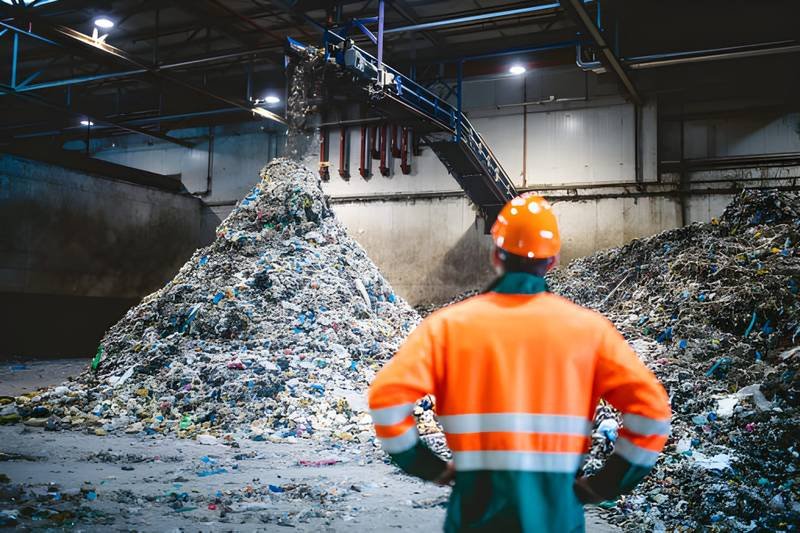
Industrial sites don’t have time for waste systems that fail under pressure. One collapsed bin, one unstable load, one missed pickup and the whole operation slows down. That’s why the quality of containment infrastructure matters more than most site managers acknowledge.
Choosing the right heavy duty industrial waste bins is a decision that affects worker safety, compliance, and operational throughput. Safe Work Australia recorded 27 fatalities linked to waste and materials handling in 2022 alone. Many were preventable with better equipment. This article examines the specific ways industrial-grade waste bins improve site safety and workflow efficiency.
What Makes a Bin Genuinely Heavy Duty?
Not all bins marketed as ‘industrial’ are built the same. True heavy duty bins use high-grade steel or reinforced polyethylene construction. They’re rated for specific load capacities and tested against impact, chemical resistance, and UV degradation.
A bin rated for 5 tonnes of mixed construction waste behaves very differently than a standard skip when a loader drops a full bucket into it. The structural integrity under dynamic loading is the difference between a bin that lasts five years and one that fails on its third job.
How Do Proper Bins Reduce Workplace Injuries?
Manual handling injuries account for 37% of serious workers’ compensation claims in Australia, according to Safe Work Australia. A significant portion of those injuries happen during waste management tasks.
Heavy duty bins reduce manual handling by enabling mechanical loading and emptying. They’re sized and positioned for machinery access. Workers aren’t lifting overloaded bags or wrestling with unstable containers. That structural change to the workflow reduces the injury risk directly.
What Types of Industrial Waste Require Specialised Bins?
Construction sites deal with concrete, steel, timber, and mixed debris. Manufacturing plants handle chemical waste, metal shavings, and industrial fluids. Each waste stream has different weight, corrosion, and contamination requirements.
Using the wrong bin for the wrong waste type is a safety and regulatory risk. Bins not rated for chemical exposure can degrade and leach contaminants. Bins under-rated for weight can fail mid-lift, which is a serious crane and plant safety incident.
How Do Industrial Bins Improve Site Organisation?
A disorganised site is a dangerous site. When waste accumulates in wrong locations because containment is inadequate, it creates trip hazards, blocks emergency egress, and slows down every other operation happening nearby.
Dedicated, clearly labelled heavy duty bins for each waste stream create order. Workers know exactly where materials go. Waste contractors can pick up efficiently. Compliance audits go smoother. The whole site runs cleaner.
What Compliance Requirements Affect Waste Bin Selection?
The National Environment Protection (Used Packaging Materials) Measure and state-based environmental regulations in Australia mandate specific handling of construction waste, hazardous materials, and recyclables.
Bins must be appropriate for the waste classification, which means documented load ratings, correct labelling, and in some cases, secondary containment for liquid-producing waste.
Non-compliance carries significant fines. In Victoria, illegal dumping or inadequate waste management can result in penalties exceeding $100,000 for commercial operators.
What Is the Cost Difference Between Budget and Heavy Duty Bins?
A standard skip might cost $800. A heavy duty fabricated bin might cost $3,500. On the surface, that’s a big gap. Over a three-year operational period, the heavy duty bin typically wins on cost per use by a wide margin.
Budget bins deform under repeated heavy loads. They require earlier replacement. They’re also more likely to cause delays when they fail mid-operation. The downtime cost from one bin failure event often exceeds the entire price difference.
How Do Skip Bin Dimensions Affect Operational Efficiency?
Volume matters, but dimensions matter more on tight sites. A bin that’s too tall to load with a standard excavator costs time on every fill cycle. A bin too wide to position correctly on a small commercial site creates access problems for trucks.
Site managers should specify bin dimensions based on machinery clearances, truck access routes, and available laydown areas. Ordering the wrong shape often wastes more space than it saves.
What Maintenance Practices Extend the Life of Industrial Bins?
Regular inspection of welds, lifting points, and base plates is the minimum. Bins exposed to corrosive materials need protective coating refreshed every 12 to 18 months. Hinges and locking mechanisms on bins with lids need lubrication and replacement when they stiffen.
Most heavy duty bins have a serviceable life of 7 to 15 years with appropriate maintenance. Neglect cuts that in half. For operations running multiple bins, a scheduled maintenance checklist reduces unexpected failures and keeps compliance documentation clean.
