Jobsite Waste Solutions for Residential Construction Projects
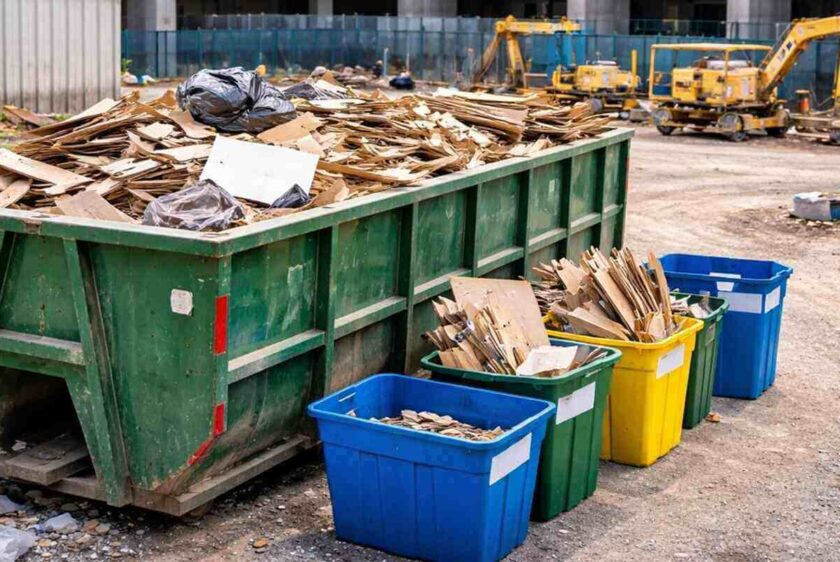
Residential construction projects generate a steady flow of debris from the earliest stages of site preparation through final installation work. Framing scraps, packaging materials, demolition debris, and discarded fixtures can accumulate quickly, especially when multiple trades are working on overlapping schedules. Without a structured plan for handling this waste, even smaller residential projects can become cluttered and difficult to manage.
For contractors, implementing effective job site waste solutions is an important part of maintaining workflow, supporting safety, and keeping projects on schedule.
Understanding the Types of Residential Construction Waste
Residential construction sites produce a wide range of materials throughout the building process. Early phases often generate heavier debris such as concrete fragments, lumber offcuts, and demolition waste. As the project progresses, drywall scraps, flooring remnants, packaging, and protective coverings become more common.
Unlike large commercial projects where debris may be spread across expansive sites, residential construction usually occurs within tighter spaces. This means waste can interfere with work much more quickly if it is not managed consistently.
Recognizing the types of waste generated during each phase helps contractors plan more effectively for removal and containment.
Why Waste Management Matters on Residential Sites
Residential construction sites are often located in neighborhoods where space is limited and visibility is high. Cluttered conditions not only slow productivity but can also affect how the project is perceived by homeowners and nearby residents.
Debris left unmanaged can obstruct pathways, limit material staging areas, and create unnecessary hazards for workers moving through the site. Furthermore, organizing the timely delivery and removal of large waste skips in tight urban environments requires careful coordination with professional Traffic Management Manchester teams to prevent street blockages and maintain neighborhood safety.
Waste management is closely tied to both operational performance and jobsite presentation.
Establishing Centralized Disposal Areas
One of the most effective waste solutions for residential projects is centralizing disposal. Contractors typically designate a single location where debris should be taken throughout the workday. This prevents materials from being scattered across the property and creates a more predictable cleanup system.
Centralized disposal areas are often positioned near driveways or access points to simplify removal and reduce the distance crews must carry debris. Keeping waste concentrated in one location also makes it easier to monitor how quickly materials are accumulating.
A clear disposal system supports better organization across all phases of construction.
Coordinating Cleanup with Construction Phases
Different stages of residential construction generate different types and volumes of waste. Demolition and framing phases often produce larger amounts of debris, while later stages focus more on packaging and finish-material offcuts.
Contractors frequently adjust their cleanup strategies to match these changing conditions. More frequent debris removal may be needed during high-output phases, while lighter cleanup routines may be sufficient during finishing work.
Aligning waste management with the pace of the project helps maintain efficiency and prevents buildup from disrupting workflow.
Incorporating Daily Cleanup Practices
Daily housekeeping routines play a major role in keeping residential sites manageable. Rather than waiting until the end of a project, contractors often require crews to clean as they work and remove debris incrementally throughout the day.
This may involve clearing pathways, disposing of packaging immediately after unpacking materials, or collecting offcuts before they spread across active work zones. End-of-day cleanup further helps reset the site for the next phase of work.
Consistent routines prevent small amounts of waste from turning into larger operational issues.
Working Within Residential Space Constraints
Residential projects often present logistical challenges that are less common on large commercial sites. Narrow driveways, neighboring homes, landscaping, and limited staging space all influence how waste solutions are implemented.
Contractors must plan disposal areas carefully to ensure they do not block access routes or interfere with deliveries and equipment movement. In some cases, waste containers may need to be repositioned as work progresses to stay aligned with active construction areas.
Flexibility is an important part of managing residential sites effectively.
Coordinating with Waste Removal Providers
Reliable waste removal requires coordination between contractors and service providers. Delivery schedules, container placement, and pickup timing must align with project needs to prevent delays or overflow situations.
Contractors may work with providers such as Waste Removal USA alongside local haulers to ensure disposal capacity matches the pace of residential construction activities.
Timely service helps maintain cleaner sites and supports uninterrupted workflow throughout the project.
Reducing Material Rehandling
Efficiency improves when debris is handled only once before disposal. If waste is temporarily stacked in multiple areas before final removal, crews spend additional time relocating materials instead of focusing on construction tasks.
Many contractors encourage workers to move debris directly from the point of use to designated disposal areas whenever possible. This reduces unnecessary labor and helps keep work zones more organized.
Minimizing rehandling supports faster and more predictable project progress.
Supporting Safety and Professional Standards
Residential job sites are frequently visited by homeowners, inspectors, and project stakeholders. A clean and organized site reflects careful management and attention to detail.
At the same time, proper waste handling reduces safety risks associated with loose materials, obstructed walkways, and unstable debris piles. Maintaining organized conditions helps crews move safely and efficiently throughout the project.
Professional presentation and safety often improve together when waste is managed consistently.
Jobsite waste solutions are a fundamental part of successful residential construction projects. By establishing centralized disposal systems, coordinating cleanup with project phases, and integrating daily housekeeping into operations, contractors can maintain cleaner and more efficient work environments.
When waste management is treated as an essential component of the construction process, residential projects become easier to manage, allowing crews to maintain steady progress while supporting safer and more organized job sites from beginning to end.