Why Australian Designer Dresses Continue to Define Modern Elegance
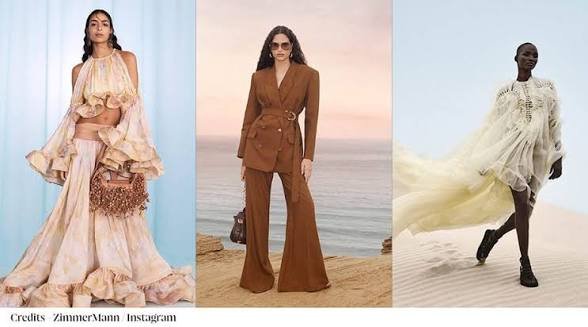
Australia’s fashion scene is not a footnote in global fashion. It is a full chapter. Australian designers have been dressing international celebrities, appearing in Vogue, and selling out online with consistent regularity for over a decade. The Australian fashion industry contributes approximately $27.2 billion to the country’s economy annually. That is not a niche market. Australian designer dresses have earned their global reputation by solving a specific design problem: how to look expensive without looking overdressed. That balance is harder than it sounds, and Australian designers have mastered it.
What Makes Australian Design Different from European Fashion?
The climate shapes everything. Australian designers build for warmth but also for open-air living, events that transition from outdoor to indoor, and a social culture that values ease as much as polish. European fashion, particularly French and Italian design, was historically built for structured indoor occasions. Australian design is built for real life with elegance baked in.
There is also a rawness in Australian design that does not exist in European luxury fashion. Less historical weight, fewer rules, more experimentation. That is why Australian dresses often look fresh in a way that heritage brands sometimes do not.
Why Are Australian Designers Growing Globally?
Social media leveled the playing field. A designer in Sydney with the right aesthetic and a strong Instagram presence can reach New York, London, and Dubai simultaneously. Australian brands saw international e-commerce sales grow by over 60% between 2019 and 2023, according to the Australian Fashion Council.
The price point also helps. Australian designers sit in the mid-luxury space. Better than fast fashion. Not as inaccessible as French couture. That gap was underserved globally, and Australian labels filled it with quality and genuine design point of view.
What Design Codes Do Australian Designers Use?
Clean lines. Minimal embellishment. Fabric quality over decoration. You will notice that Australian dresses rarely rely on heavy beading or aggressive prints to make an impact. The impact comes from cut, drape, and fabric selection.
There is also a consistent feminine confidence in Australian design. Dresses that acknowledge the body without over-exposing it. Necklines that are interesting without being distracting. Hemlines that consider movement. This is intentional design thinking, not accident.
Which Events Are Australian Designer Dresses Best For?
Almost all of them. The design versatility is part of the brand DNA. A well-made Australian midi dress can work at a gallery opening, a business lunch, a wedding, or a birthday dinner. The pieces are designed with that flexibility in mind because the Australian customer lives in multiple contexts within the same day.
Race days, garden parties, and formal galas are where Australian design particularly shines. The Melbourne Cup fashion coverage alone demonstrates what Australian designers can do when dressing for an occasion. It is consistently some of the most internationally shared event fashion in the world.
Are Australian Designer Pieces Worth the Investment?
Yes, and the math backs it up. A $400 Australian designer dress worn 40 times costs $10 per wear. A $60 fast fashion piece worn 5 times costs $12 per wear and ends up in a landfill. The fashion industry produces 92 million tonnes of textile waste annually. Buying better and buying less is both a financial and an environmental argument.
Australian designers have also been leaders in sustainable production. Many brands use ethically sourced fabrics, transparent supply chains, and limited production runs. You are buying quality, craft, and accountability in one transaction.
What Proof Exists of Australian Fashion’s Global Influence?
International stylists regularly pull Australian labels for red carpet and editorial work. Australian brands have been stocked in Net-a-Porter, SSENSE, and major department stores across the US, UK, and Europe. This is not a regional phenomenon. It is a legitimate global design movement with credentials to match.
