How to Create Branded Experience with Tents and Display Booths
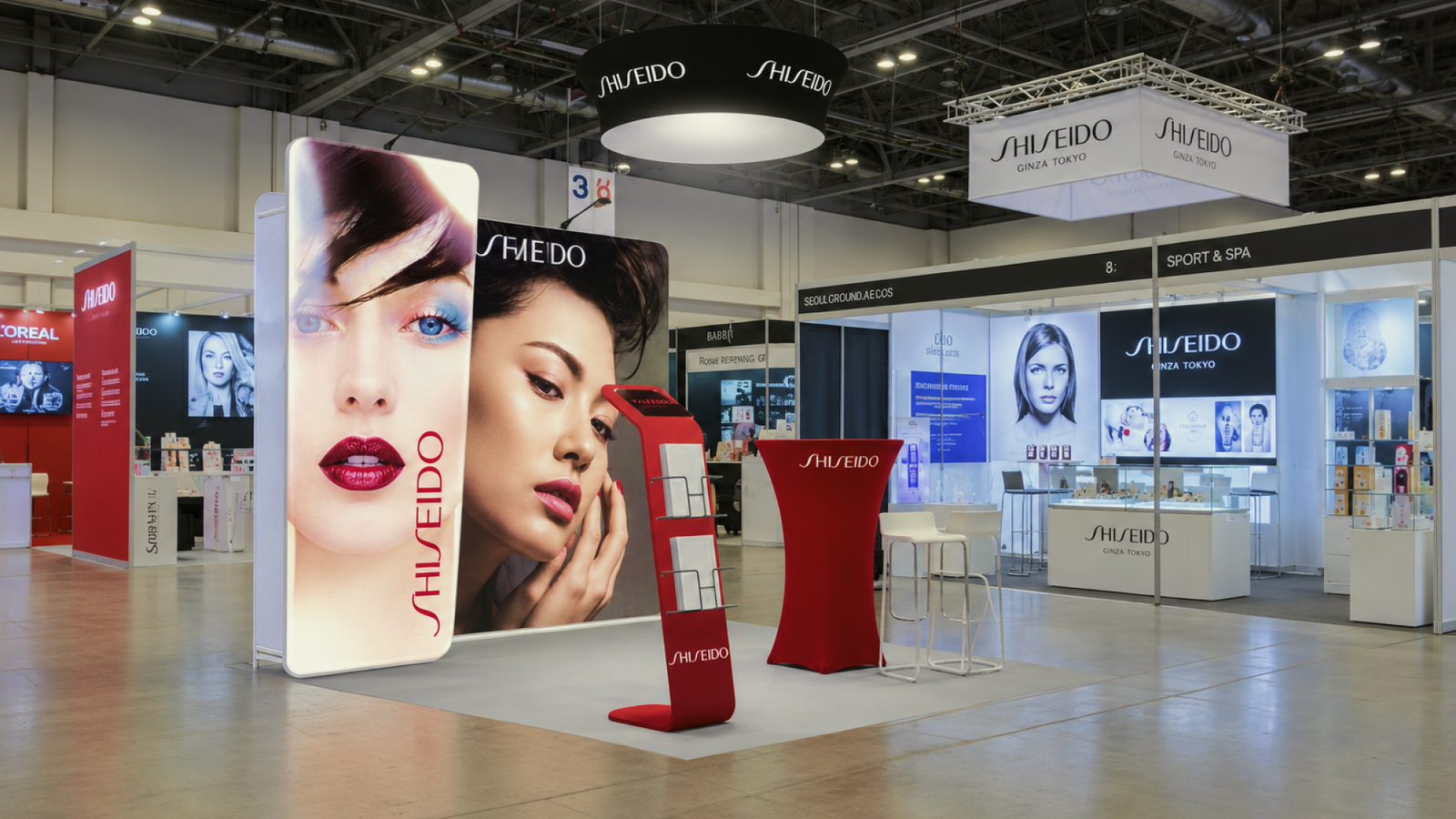
Outdoor brand environments are no longer supplementary marketing touchpoints. They are primary experience zones. As organizations increasingly compete for physical attention in a digitally saturated landscape, the strategic orchestration of outdoor branded elements has become a measurable competitive differentiator.
The question is no longer whether brands should invest in outdoor experiential infrastructure. The question is how to architect that infrastructure for maximum strategic impact.
This piece provides a framework for constructing a fully integrated outdoor brand experience, one that synthesizes tents, flags, and display systems into a cohesive, high-performance environment.
Rethink the Outdoor Environment as an Experience Architecture
Most organizations approach outdoor events tactically. They bring a tent, perhaps a banner, and consider the job done. This approach leaves substantial value on the table.
Leading brands treat outdoor environments as experience architecture, deliberately engineered ecosystems in which every visual and spatial element contributes to a singular brand narrative. Just as a corporate headquarters communicates organizational values through its design, so too should an outdoor brand presence.
The starting point is not equipment selection. It is brand strategy translation: What values, promises, and emotions must this environment communicate, and how does the physical space reinforce those messages?
Tent Strategy: Anchoring the Physical Brand Footprint
The canopy tent is the architectural foundation of any outdoor brand environment. It defines the spatial perimeter, controls the visual hierarchy from a distance, and sets the tonal register for the entire experience.
High-performing organizations do not treat tent selection as a commodity decision. They leverage custom tents that are purpose-engineered to their brand specifications — from color-matched Pantone printing to strategic logo placement that maximizes visibility across varying sightlines.
Advanced considerations for tent strategy include:
• Modular sizing that scales with event footprint requirements
• Full-bleed printing versus panel-specific branding for different visibility scenarios
• Structural reinforcement for high-traffic environments where durability compounds brand credibility
The tent is not merely shelter. It is the first chapter of the brand story.
Flag Systems: Creating Vertical Brand Corridors
Flags are among the most underutilized assets in the outdoor brand toolkit and among the highest-return when deployed strategically.
The human visual system is hardwired to detect movement. Feather flags and blade banners exploit this biological response, capturing attention at distances well beyond static signage capacity. When positioned as approach corridors, it guides customers from the event perimeter toward the brand zone where flags function as active navigation systems.
Strategic flag deployment operates on three principles:
- Height laddering: Create visual dynamism and prevents the eye from habituating to a single plane by varying flag heights
- Brand coherence: Must align flag colors and messaging with tent and display systems to create a unified visual language
- Directionality: Guide movement through flag placement. Do not simply announce presence
Organizations that sequence their flag systems intentionally create a measurable increase in booth dwell time. Thus, customers who are guided toward a space are more psychologically committed to engaging with it upon arrival. So apply above all recommendations to outshine in a fully branded outdoor experience.
Display Integration: Converting Attention Into Engagement
Once a customer enters the branded environment, the conversion imperative shifts from attraction to engagement. This is where display systems deliver their highest strategic value.
A well-configured trade show display booth is an engagement architecture. The most effective configurations incorporate:
- Hierarchical information design: Lead with brand promise, progressing to product specifics, closing with clear calls to action
- Multi-surface messaging: Use vertical backwalls, countertop graphics, and tabletop displays to engage customers at multiple attention levels simultaneously
- Interactive touchpoints: Prefer digital screens, product demonstration stations, or sampling zones that extend dwell time and deepen brand connection
Systems Thinking: The Integrated Brand Environment
The critical insight that separates high-performing outdoor brand environments from average ones is this: each element must function as part of a system, not as a standalone asset.
Tent, flags, and displays should share a unified color palette, consistent typography, and coherent messaging hierarchy. Visual discontinuity, even subtle mismatches in color tone or logo treatment, creates cognitive friction that erodes brand trust at a subconscious level.
Organizations should conduct a pre-event brand audit of all physical assets to verify system coherence. This includes reviewing materials under outdoor lighting conditions, which can significantly alter color perception relative to controlled indoor environments.
Measurement and Iteration
Outdoor brand environments must be treated as iterative assets, not static deployments. Leading organizations capture post-event data; foot traffic patterns, engagement rates, conversion metrics and use these insights to optimize configurations for subsequent activations.
The brands that consistently outperform at outdoor events do so not because they have the largest footprint, but because they have the most intelligently designed one. Intentionality, coherence, and systems thinking are the differentiating variables.
Outdoor experiential investment, executed with strategic discipline, delivers returns that extend far beyond the event itself building brand equity that compounds across every subsequent touchpoint.