Living Near the Coast: Plumbing Risks Yeppoon Homeowners Should Know
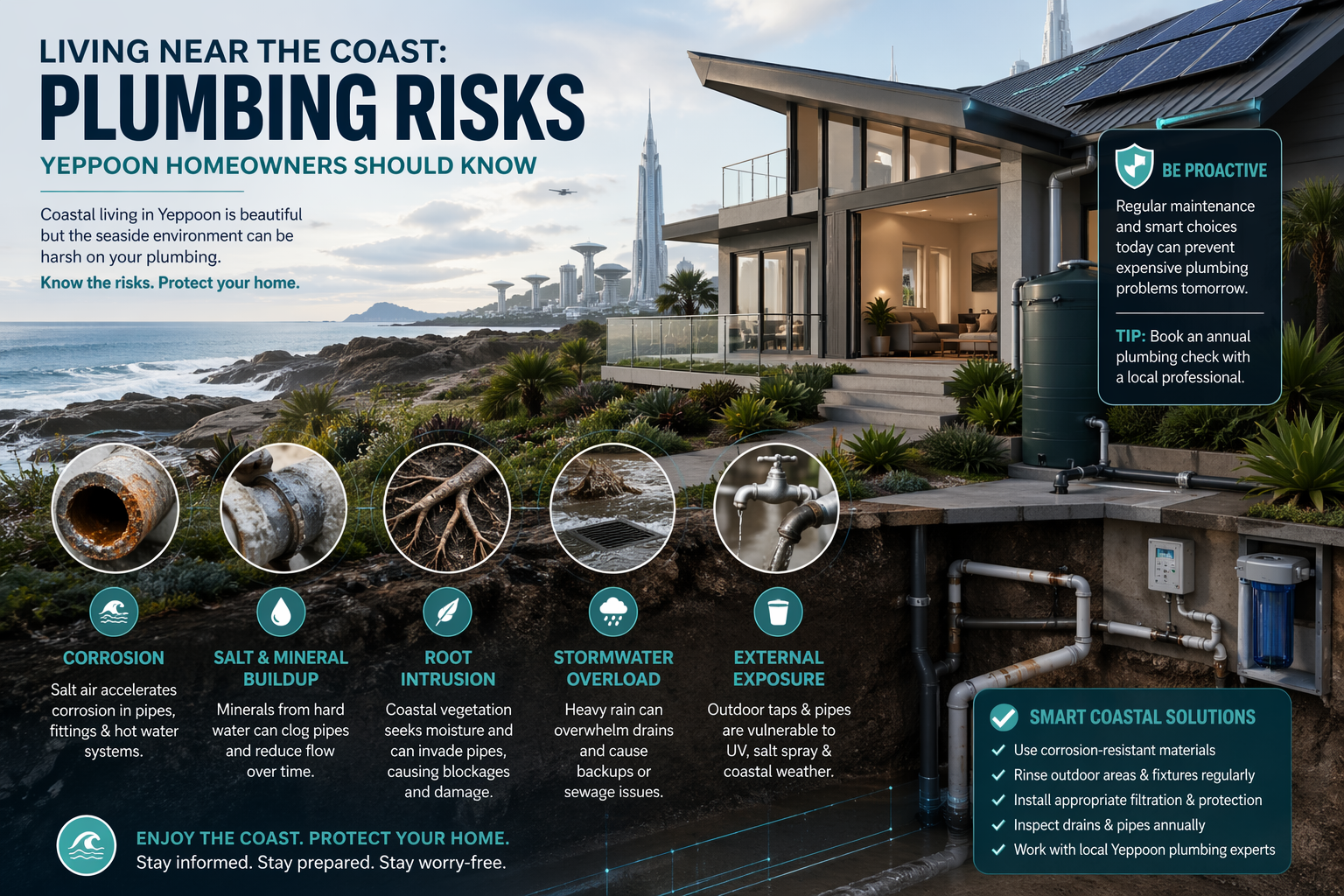
Living in Yeppoon offers the perfect coastal lifestyle—stunning ocean views, fresh sea breezes, and easy access to beautiful beaches. However, this idyllic setting comes with unique challenges for homeowners, particularly when it comes to plumbing systems. The combination of salt air, high humidity, and coastal weather conditions can wreak havoc on your home’s plumbing infrastructure if you’re not aware of the risks and how to mitigate them.
The Salt Air Effect on Plumbing Systems
Salt-laden air is one of the most significant threats to plumbing systems in coastal areas like Yeppoon. The corrosive nature of salt accelerates the deterioration of metal pipes, fittings, and fixtures at a rate far exceeding what inland homes experience. Copper pipes, while generally durable, can develop pinhole leaks years earlier than expected when constantly exposed to salty coastal air.
External plumbing components are particularly vulnerable. Hot water systems, outdoor taps, and exposed pipework can show signs of corrosion within just a few years of installation. The white, crusty buildup you might notice on metal fixtures isn’t just unsightly—it’s a warning sign of ongoing corrosion that could lead to leaks or complete failure if left unaddressed.
Stainless steel fixtures, often marketed as corrosion-resistant, aren’t entirely immune either. While they perform better than standard metals, even marine-grade stainless steel can suffer from pitting and surface corrosion in harsh coastal environments. Regular cleaning and protective treatments are essential to extend the lifespan of all metal plumbing components.
High Humidity and Its Hidden Dangers
Yeppoon’s tropical climate means consistently high humidity levels, which create the perfect breeding ground for problems both visible and hidden. Condensation on cold water pipes is a common issue, leading to constant moisture that can damage surrounding building materials, promote mold growth, and accelerate corrosion.
Behind walls and under floors, this moisture can go unnoticed for extended periods, causing significant damage before you realize there’s a problem. Wooden floor joists and wall studs can rot, while drywall becomes soft and compromised. The financial impact of repairing water damage often far exceeds the cost of the initial plumbing issue.
Many homeowners don’t realize that their bathroom exhaust fans and ventilation systems work overtime in coastal areas. When these systems fail or operate inefficiently, moisture accumulates rapidly, creating an environment where plumbing seals deteriorate faster and metal components corrode more quickly. Regular maintenance of ventilation systems is just as important as maintaining the plumbing itself.
Storm Surge and Flooding Risks
Coastal storms present unique challenges for Yeppoon residents. Storm surge, king tides, and heavy rainfall can overwhelm drainage systems and even push seawater back through pipes. This backflow can introduce salt water into your plumbing system, causing immediate and long-term damage to pipes, hot water systems, and appliances.
If your property has ever experienced flooding from storm surge, your plumbing system may have been compromised even if no obvious leaks are present. Salt water is incredibly corrosive and can remain in pipes long after the visible water has receded, silently eating away at metal components from the inside.
Lower-lying properties near the coast should have backflow prevention devices installed on sewer lines to prevent contaminated water from entering the home during extreme weather events. This relatively inexpensive precaution can save thousands in cleanup costs and protect your family’s health.
Gas Line Corrosion Concerns
For homes with natural gas connections, coastal conditions pose specific risks that require professional attention. Gas lines, whether copper or steel, are susceptible to external corrosion from salt air. Unlike water leaks that are often immediately obvious, gas leaks can be subtle and extremely dangerous.
Corroded gas fittings and connections may develop slow leaks that go undetected until they become serious safety hazards. The distinctive “rotten egg” smell added to natural gas for safety purposes may not always be noticeable, especially outdoors where coastal breezes quickly disperse the odor. Regular inspections by a qualified gas fitter yeppoon residents trust can identify potential problems before they become dangerous.
Hot water systems, stovetops, and outdoor gas barbecue connections all require periodic inspection. Coastal corrosion can compromise gas regulators, valves, and connection points, potentially leading to gas leaks, carbon monoxide issues, or appliance failure.
Pipe Material Matters
Modern plumbing installations in coastal areas benefit significantly from advanced materials designed to withstand harsh environments. PEX (cross-linked polyethylene) piping has become increasingly popular for coastal homes because it doesn’t corrode, resists scale buildup, and handles the expansion and contraction caused by temperature fluctuations better than metal pipes.
However, many Yeppoon homes still have older copper or galvanized steel plumbing that’s reaching the end of its serviceable life. If your home was built more than 20 years ago and still has original plumbing, you’re likely living on borrowed time. Proactive replacement of aging pipes prevents emergency situations and the water damage that comes with unexpected pipe failures.
When replacing plumbing components, material selection should account for coastal conditions. Brass fittings generally outperform standard metals, while plastic components avoid corrosion issues entirely. A knowledgeable plumber Yeppoon homeowners rely on can recommend the most suitable materials for your specific situation and budget.
Water Quality Challenges
Coastal water supplies can have higher mineral content and occasionally elevated salinity levels, particularly after heavy rains or during drought conditions. These variations affect how quickly scale builds up in pipes and appliances, reducing efficiency and lifespan.
Hard water deposits combine with salt exposure to create stubborn buildup that clogs aerators, showerheads, and restricts water flow through pipes. Hot water systems work harder and fail sooner when dealing with scale accumulation, leading to higher energy bills and premature replacement costs.
Water softening systems or whole-house filtration can mitigate these issues, but they require proper sizing and regular maintenance to remain effective in coastal conditions. Without addressing water quality, even new plumbing installations will deteriorate faster than expected.
Prevention and Maintenance Strategies
Protecting your plumbing investment in a coastal environment requires proactive maintenance rather than reactive repairs. Annual inspections by qualified professionals from companies like 24 HR Plumb Solutions can identify early warning signs before they escalate into expensive emergencies.
Regular flushing of hot water systems removes sediment buildup, while checking for corrosion on visible pipes and fittings helps you stay ahead of problems. Applying protective coatings to exposed metal components and ensuring proper ventilation in bathrooms and laundries reduces moisture-related damage.
Don’t overlook outdoor areas. Garden taps, irrigation systems, and pool plumbing face the harshest conditions and often show the first signs of coastal-related deterioration. Replacing washers, checking for leaks, and protecting exposed fittings extends their lifespan significantly.
When to Call a Professional
While some homeowners tackle minor plumbing tasks themselves, coastal conditions make professional expertise more valuable. Unusual water pressure changes, discolored water, unexplained increases in water bills, or visible corrosion on any plumbing components warrant immediate professional assessment.
Don’t wait until a small leak becomes a major flood. In coastal areas, what might seem like a minor issue can indicate more extensive hidden damage. Early intervention almost always costs less than emergency repairs, not to mention avoiding the stress and disruption of major plumbing failures.
Understanding these coastal plumbing risks empowers Yeppoon homeowners to protect their properties and avoid costly surprises. With proper awareness, regular maintenance, and professional support when needed, you can enjoy coastal living without the plumbing headaches that catch unprepared homeowners off guard.