How Rising Energy Bills Could Signal It’s Time for an HVAC Upgrade
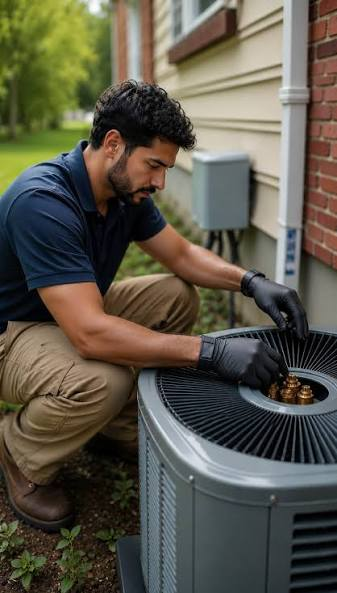
A steady increase in your energy bills can be frustrating, especially when your daily habits haven’t changed. While seasonal weather and utility rate adjustments can influence monthly costs, an HVAC system that has become less efficient is often a major contributor. As heating and cooling equipment ages, it must work harder to maintain a comfortable indoor temperature, leading to higher energy consumption and increased wear on its components.
If you’ve been wondering when to replace heating and air conditioning, rising utility bills could be one of the first signs to consider. An older system rarely fails without warning. Instead, it gradually loses efficiency, making your home more expensive to heat and cool while delivering less consistent comfort.
The Hidden Cost of an Aging HVAC System
Every HVAC system experiences normal wear over time. Components such as the compressor, blower motor, and fan gradually become less efficient after years of use. Even if the system receives regular maintenance, these parts naturally lose some of their performance, causing the equipment to consume more energy to achieve the same results.
In addition, HVAC technology has improved significantly over the years. Modern systems are built with advanced features that use less energy while providing better temperature control. As older equipment continues to age, the efficiency gap becomes more noticeable, and homeowners often see that difference reflected in their monthly utility bills.
Longer Run Times Can Signal a Problem
A properly functioning HVAC system should cycle on and off throughout the day to maintain the desired temperature. If your heating or cooling system seems to run much longer than it once did, it may be struggling to keep up with your home’s needs.
Extended run times increase energy consumption because the system is operating for longer periods. They also place additional stress on important components, increasing the likelihood of future repairs. While extreme weather can naturally cause longer cycles, consistently extended operation during normal conditions often indicates declining system efficiency.
Warning Signs That Your HVAC System May Need an Upgrade
Although rising energy bills are often the first noticeable symptom, other changes in your home’s comfort can also suggest that your HVAC system is nearing the end of its useful life.
- Monthly energy costs continue increasing without a clear explanation.
- The system runs almost constantly to maintain the thermostat setting.
- Certain rooms remain warmer or cooler than others.
- Repair appointments become more frequent each year.
- The equipment produces unusual noises during operation.
- Indoor humidity feels higher than normal during the summer.
When several of these issues occur together, it’s worth having your system professionally evaluated to determine whether replacement may be the better long-term solution.
Frequent Repairs Can Become Costly
Every HVAC system requires occasional repairs throughout its lifespan. Replacing a worn component or performing routine maintenance is expected. However, if repairs become increasingly common, the total cost of keeping older equipment running can quickly add up.
Many homeowners hesitate to replace a functioning system because each repair seems less expensive than purchasing new equipment. Over time, though, repeated repair bills combined with rising energy costs may exceed the value of continuing to maintain an aging system. Evaluating both repair expenses and operating costs provides a clearer picture of the true cost of ownership.
Reduced Comfort Often Accompanies Higher Bills
An inefficient HVAC system doesn’t only affect your utility bills—it also affects how comfortable your home feels. Older equipment may struggle to distribute conditioned air evenly, resulting in hot or cold spots throughout the house.
Humidity control can also become less effective, leaving indoor spaces feeling damp even when the thermostat indicates the correct temperature. These performance issues often develop gradually, making them easy to overlook until they become more noticeable.
Improved comfort is one of the biggest advantages homeowners experience after replacing an aging HVAC system with newer, properly sized equipment.
The Benefits of Upgrading to a Modern System
Today’s HVAC systems are designed to provide greater efficiency while maintaining consistent indoor comfort. Many newer models operate more quietly, use less energy, and include advanced controls that allow homeowners to better manage heating and cooling schedules.
Modern equipment can also improve humidity control and indoor air circulation, creating a healthier and more comfortable living environment. While replacing an HVAC system requires an upfront investment, lower operating costs and improved performance often make the decision worthwhile over the long term.
A professional evaluation can help determine whether your current system is still operating efficiently or whether an upgrade would provide greater value.
Conclusion
Rising energy bills are often one of the earliest signs that an HVAC system is becoming less efficient. As equipment ages, longer run times, declining performance, and more frequent repairs can all contribute to higher monthly costs. Paying attention to these warning signs allows homeowners to address problems before they lead to expensive breakdowns or unnecessary energy waste.
Replacing an aging HVAC system isn’t simply about installing new equipment—it’s about improving comfort, reducing long-term operating costs, and increasing reliability. If your utility bills continue climbing while your home’s comfort declines, it may be time to consider whether upgrading your HVAC system is the smartest investment for your home.
