The Complete Guide to Roofing: Building Stronger Homes with Durable and Professional Roofing Solutions
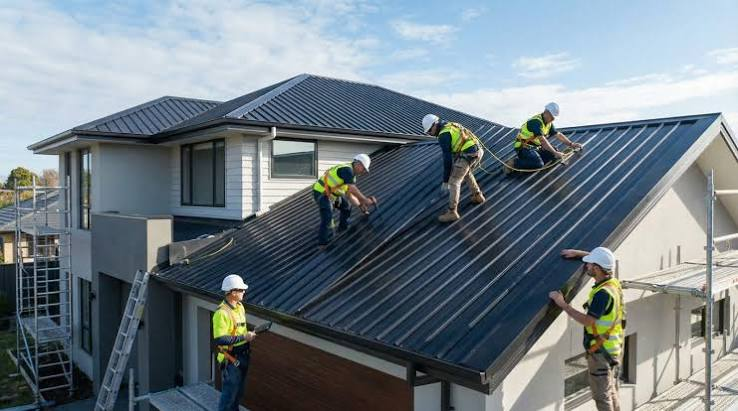
A home is one of the most valuable investments a person will ever make, and every part of that investment deserves proper protection. Among all the structural components of a house, the roof stands as the first and most important line of defense against rain, wind, heat, snow, hail, and changing weather conditions throughout the year. A properly installed roof not only protects the interior from moisture and structural damage but also contributes to energy efficiency, improves curb appeal, and increases property value. Although many homeowners focus on interior improvements such as kitchens, bathrooms, and flooring, the condition of the roof has a far greater impact on the safety and longevity of the entire building. Investing in professional roofing services ensures that every layer of the roofing system performs efficiently, allowing homeowners to enjoy lasting protection and peace of mind for many years.
Modern roofing systems are far more sophisticated than many people realize. They consist of multiple components that work together to create a complete weather-resistant barrier. Roofing materials, underlayment, flashing, roof decking, ventilation systems, insulation, gutters, and drainage components all play important roles in protecting the structure from water intrusion and temperature fluctuations. If even one component begins to fail, the entire roofing system may become vulnerable to leaks, mold growth, wood rot, insulation damage, and expensive structural repairs. Professional roofing contractors understand how each element functions within the complete system and use their experience to ensure that every installation or repair meets the highest standards of workmanship. Their expertise helps homeowners avoid recurring issues while extending the lifespan of the roof and protecting the overall integrity of the property.
Understanding the Purpose of a Roofing System
A roofing system performs many functions beyond simply covering the top of a building. Its primary purpose is to create a durable barrier that shields the home from harsh environmental conditions while maintaining a comfortable indoor environment throughout every season. During heavy rainfall, the roof directs water toward gutters and downspouts, preventing moisture from entering the attic or damaging structural framing. During periods of intense sunlight, quality roofing materials reduce heat absorption, helping regulate indoor temperatures and lowering energy consumption. In colder seasons, the roof helps retain indoor warmth while preventing snow and ice from causing structural problems.
Every layer within the roofing system contributes to this performance. Roof decking provides the structural foundation that supports the entire system. Underlayment serves as an additional moisture barrier beneath the roofing material, protecting the home if shingles become damaged. Flashing installed around chimneys, skylights, roof valleys, and vents prevents water from entering vulnerable joints where leaks commonly develop. Proper attic ventilation allows excess heat and humidity to escape, reducing condensation and extending the life of roofing materials. When these components work together correctly, the roof provides dependable protection that lasts for decades.
Why Professional Installation Makes a Difference
The quality of roof installation directly affects the durability, safety, and lifespan of the entire structure. Even premium roofing materials cannot perform properly if they are installed incorrectly. Improper fastening, poor flashing installation, inadequate ventilation, or incorrect shingle alignment may create weak points that allow water intrusion during storms. Moisture entering beneath roofing materials often remains hidden for months before visible signs appear inside the home, allowing damage to spread through insulation, wooden framing, ceilings, and drywall.
Professional roofing contractors follow manufacturer guidelines and proven installation techniques to ensure every component functions as intended. They carefully inspect the existing structure before beginning work, identify any hidden issues that require attention, and install materials with precision. Proper installation improves weather resistance, maximizes energy efficiency, protects manufacturer warranties, and significantly reduces future maintenance expenses. Homeowners who invest in professional workmanship enjoy greater confidence knowing that their roof has been designed to provide reliable protection under all weather conditions.
Common Causes of Roof Damage
Roofs experience continuous exposure to environmental conditions that gradually wear down roofing materials over time. Severe storms remain one of the leading causes of roof damage, as high winds can loosen shingles, heavy rainfall may expose hidden leaks, and hail can crack or dent roofing surfaces. Falling branches and airborne debris during storms frequently damage shingles, flashing, and roof vents, creating openings where water can penetrate the structure.
Natural aging is another unavoidable factor. As roofing materials grow older, they lose flexibility, protective granules begin wearing away, and exposure to ultraviolet sunlight gradually weakens their weather-resistant properties. Poor attic ventilation accelerates this process by trapping excessive heat and moisture beneath the roof, causing shingles to deteriorate more quickly. Blocked gutters may also contribute to roof damage by preventing proper drainage, allowing water to back up beneath shingles and damage roof decking. Routine inspections help identify these issues before they become major structural concerns.
Signs That Your Roof Needs Attention
Many roofing problems begin with subtle warning signs that homeowners may overlook. Missing, cracked, curled, or loose shingles often indicate weather damage or aging materials that require professional evaluation. Granules accumulating inside gutters suggest asphalt shingles are beginning to deteriorate, reducing their ability to protect the roof from moisture. Sagging roof sections, damaged flashing, cracked vent boots, and visible moss growth should also be investigated because they frequently indicate underlying structural issues.
Interior warning signs are equally important. Water stains on ceilings, peeling paint, musty odors, damp attic insulation, mold growth, or unexplained increases in energy bills often indicate hidden roof problems. Addressing these issues promptly prevents further deterioration while reducing repair costs. Professional inspections allow contractors to identify the source of damage before recommending the most effective long-term solution.
The Importance of Routine Roof Inspections
Routine roof inspections represent one of the most valuable preventative maintenance services homeowners can schedule. During a comprehensive inspection, experienced contractors evaluate roofing materials, flashing, roof decking, attic ventilation, gutters, drainage systems, insulation, and structural framing to determine the condition of the entire roofing system. Rather than focusing only on visible damage, they search for hidden moisture, deteriorating materials, ventilation deficiencies, and structural weaknesses that may eventually lead to expensive repairs.
Annual inspections help homeowners identify small concerns before they develop into major problems. Following severe storms, professional evaluations become even more important because weather-related damage is not always immediately visible. Early detection allows repairs to be completed quickly while preserving the overall integrity of the roofing system and extending its expected lifespan.
Roof Repair Versus Complete Roof Replacement
One of the most common questions homeowners ask after discovering roof damage is whether repairs will be sufficient or if a complete replacement is necessary. The answer depends on several important factors, including the age of the roof, the extent of the damage, the condition of the underlying structure, and the expected lifespan of the existing roofing materials. Minor problems such as a few missing shingles, damaged flashing, or a small leak can often be repaired quickly by experienced professionals. Addressing these issues early helps prevent moisture from spreading into the roof deck and interior structure while extending the life of the existing roof.
However, repairs are not always the most cost-effective solution. If a roof has reached the end of its expected lifespan, contains widespread damage, or has developed multiple recurring leaks, investing in a complete replacement may provide greater long-term value. A new roofing system offers improved weather resistance, better energy efficiency, enhanced curb appeal, and stronger structural protection. Although replacement requires a larger initial investment, it often eliminates the need for repeated repairs while providing homeowners with decades of dependable performance. Professional roofing contractors evaluate every aspect of the existing roof before recommending the most practical solution based on both current conditions and future expectations.
Choosing the Right Roofing Materials
Selecting the proper roofing material is one of the most important decisions homeowners make during a roofing project. Every material offers unique advantages in terms of durability, maintenance, appearance, energy efficiency, and overall lifespan. Understanding these differences allows homeowners to choose a roofing system that matches both their budget and long-term goals.
Asphalt shingles remain one of the most popular choices because they combine affordability, durability, and attractive design options. They are available in numerous colors and architectural styles, making them suitable for a wide variety of homes. Architectural shingles provide greater thickness and wind resistance than traditional three-tab shingles while offering improved visual appeal.
Metal roofs have gained tremendous popularity because of their exceptional durability and energy-saving performance. They reflect solar heat more effectively than many conventional materials, helping reduce cooling costs during warmer months. Metal roofs also resist fire, insects, mildew, and severe weather while requiring relatively little maintenance throughout their lifespan.
Tile roofing offers timeless beauty and remarkable longevity. Clay and concrete tiles withstand harsh weather while providing excellent insulation and fire resistance. Although tile roofs require a stronger structural foundation because of their weight, they often last significantly longer than conventional roofing materials.
Slate roofing represents one of the most durable premium options available. Its natural beauty, exceptional weather resistance, and lifespan measured in decades make it an outstanding investment for homeowners seeking maximum longevity. Although slate requires specialized installation and higher upfront costs, its durability often offsets those expenses over time.
Professional contractors help homeowners evaluate these materials by considering climate conditions, architectural style, maintenance preferences, expected longevity, and overall budget before making a recommendation.
Energy Efficiency and Modern Roofing Technology
Energy efficiency has become an increasingly important consideration for homeowners seeking to reduce utility costs while improving indoor comfort. Modern roofing technology contributes significantly to this goal through advanced materials, improved insulation systems, and proper attic ventilation.
Reflective roofing materials reduce the amount of solar heat absorbed by the roof during hot weather. Instead of transferring excessive heat into the attic, these materials reflect a substantial portion of sunlight away from the home, allowing cooling systems to operate more efficiently. Proper attic ventilation complements this process by allowing trapped heat and moisture to escape naturally, preventing excessive temperatures beneath the roof.
Adequate insulation works together with ventilation to create a balanced roofing system. During winter, insulation helps retain indoor warmth while preventing heat from escaping through the attic. During summer, it slows heat transfer from the roof into living spaces, reducing air conditioning demands and improving overall comfort.
Energy-efficient roofing systems also contribute to environmental sustainability by lowering energy consumption throughout the year. Homeowners benefit from reduced utility expenses while decreasing their environmental impact. Professional roofing contractors understand how insulation, ventilation, reflective materials, and proper installation techniques combine to maximize long-term energy performance.
The Importance of Preventative Roof Maintenance
Routine maintenance plays a critical role in preserving the condition and longevity of any roofing system. Even the highest-quality roof requires periodic inspections and maintenance to continue performing at its best. Neglecting routine care often allows small problems to develop into expensive structural repairs that could have been avoided through timely attention.
Regular maintenance includes cleaning leaves, branches, and debris from the roof surface to prevent moisture accumulation. Gutters and downspouts should remain free from blockages so rainwater flows efficiently away from the roof and foundation. Overhanging tree branches should be trimmed to minimize damage during storms while reducing debris accumulation throughout the year.
Professional inspections allow contractors to identify worn flashing, deteriorating sealants, damaged shingles, loose fasteners, and ventilation issues before they compromise the roofing system. Small repairs completed during routine maintenance are far less expensive than major reconstruction caused by prolonged water intrusion.
Homeowners should also inspect their roofs after severe storms. Strong winds, hail, and falling branches frequently cause damage that may not be immediately visible from the ground. Prompt professional evaluations help identify hidden issues before they worsen, ensuring the roof continues protecting the home effectively.
Benefits of Hiring Experienced Roofing Professionals
Working with experienced roofing contractors offers advantages that extend far beyond simple installation. Professional contractors possess extensive training, practical experience, specialized equipment, and industry knowledge that allow them to complete projects safely, efficiently, and according to the highest quality standards.
Safety remains one of the most significant benefits of hiring professionals. Roofing projects involve working at considerable heights while handling heavy materials and specialized tools. Trained contractors follow strict safety procedures that reduce the risk of accidents while protecting both workers and homeowners.
Experienced professionals also understand proper installation methods required by manufacturers. Following these specifications protects product warranties while ensuring maximum performance throughout the roof’s expected lifespan. Their expertise allows them to identify hidden structural concerns before installation begins, preventing future complications that inexperienced installers might overlook.
Quality workmanship also contributes to long-term financial savings. Properly installed roofs require fewer repairs, experience fewer leaks, and maintain their appearance for many years. Although professional installation may initially cost more than attempting repairs independently, it often proves significantly more economical over the life of the roof.
How Roofing Improves Property Value
A high-quality roof enhances far more than weather protection. It significantly increases the overall value of a property while improving its appearance and marketability. Potential buyers often evaluate the condition of the roof before making purchasing decisions because they understand the expense associated with major roofing work.
A new roof creates an attractive first impression while demonstrating that the property has been properly maintained. Energy-efficient roofing materials, improved ventilation, and modern construction techniques also appeal to buyers seeking lower utility costs and reduced maintenance responsibilities.
Insurance companies may also view professionally installed roofing systems more favorably because they reduce the likelihood of future claims resulting from leaks or structural damage. Although every policy differs, maintaining a quality roofing system often contributes to greater long-term financial security for homeowners.
Conclusion
A roof is much more than the upper covering of a home; it is a complete protective system that safeguards the structure, improves energy efficiency, enhances curb appeal, and preserves property value for decades. From selecting durable materials and ensuring precise installation to performing routine inspections and preventative maintenance, every stage of the roofing process contributes to long-term performance and reliability. Homeowners who invest in professional roofing services benefit from stronger weather protection, lower maintenance costs, improved indoor comfort, and greater confidence that their home is prepared for changing environmental conditions. By working with experienced contractors and maintaining the roof regularly, homeowners protect one of their most valuable investments while ensuring their property remains safe, efficient, and attractive for many years to come.
