Complete Guide to Modern Garment Printing Equipment and Supplies
The garment decoration industry has evolved rapidly over the last decade, creating new opportunities for entrepreneurs, print shops, and creative professionals. Advances in digital printing technology have made it easier than ever to produce vibrant, durable, and highly customized apparel for businesses, sports teams, schools, events, and fashion brands.
As consumer demand for personalized clothing continues to grow, printing businesses must invest in the right tools and materials to remain competitive. Success in this industry depends not only on creativity but also on equipment reliability, production efficiency, and product quality. A professional setup often includes digital printing systems, heat application equipment, and protective accessories that help ensure consistent results.
Among the most important components of a modern apparel printing workflow are the best dtf printer, a dependable press machine, and high-quality Teflon sheets. These tools work together to create professional-grade garments that meet customer expectations while helping businesses maintain productivity and profitability. Understanding how each element contributes to the printing process can help both beginners and experienced decorators make informed decisions.
Understanding the Rise of DTF Printing Technology
Direct-to-film printing, commonly known as DTF printing, has become one of the fastest-growing methods in the custom apparel industry. Unlike traditional printing techniques that often require specialized fabric types or extensive setup procedures, DTF printing offers flexibility and efficiency across a wide range of garments.
The process begins by printing a design onto a special transfer film using dedicated inks. A powdered adhesive is then applied to the printed image before the film is cured. Once prepared, the design can be transferred onto fabric using heat and pressure. This method allows decorators to achieve vibrant colors, fine details, and durable results on various materials.
One reason DTF technology has gained popularity is its versatility. It works effectively on cotton, polyester, blends, and many other fabrics. This flexibility allows businesses to accept a wider range of customer orders without worrying about material limitations.
Another advantage is the ability to produce short-run orders efficiently. Traditional printing methods often become costly for small quantities due to setup requirements. DTF printing eliminates many of these challenges, making it an attractive option for businesses that frequently handle customized or on-demand orders.
As demand continues to increase, manufacturers are introducing more advanced equipment designed to improve speed, accuracy, and print quality. These developments have made DTF printing a practical solution for businesses of all sizes.
How to Choose the Best DTF Printer for Your Business
Selecting the best dtf printer is one of the most important decisions for any apparel decoration business. The quality of the printer directly affects image sharpness, color accuracy, production speed, and overall customer satisfaction.
Print quality should be a primary consideration. High-resolution output ensures that graphics appear crisp and professional, even when designs contain intricate details or small text. Businesses that produce fashion apparel, promotional products, or branded merchandise often rely on exceptional print clarity to differentiate themselves from competitors.
Production capacity is another critical factor. Some businesses process only a few orders per day, while others handle large volumes of garments. Choosing equipment that aligns with current and future production needs can prevent bottlenecks and support long-term growth. Investing in scalable technology often reduces the need for costly upgrades later.
Reliability is equally important. Frequent maintenance issues or unexpected downtime can disrupt operations and delay customer orders. A dependable machine helps maintain consistent productivity while reducing operational stress. Many successful print shops prioritize equipment durability and manufacturer support when evaluating options.
The best dtf printer should also integrate smoothly with existing workflows. Compatibility with design software, ease of maintenance, and user-friendly controls contribute to greater efficiency and a more streamlined production process. Businesses that focus on both performance and usability are often better positioned for sustained success.
Why a Quality Press Machine Is Essential
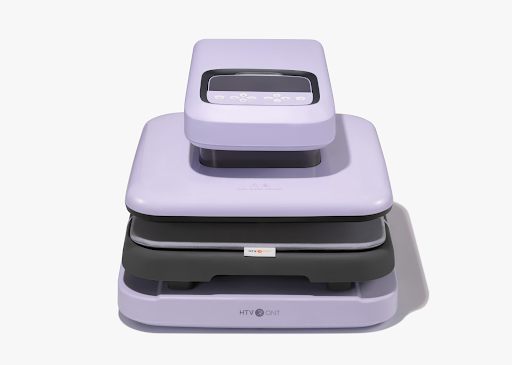
While printing technology receives much of the attention, the transfer process is equally important. A high-quality press machine plays a crucial role in ensuring that printed designs bond properly to garments. Even the most impressive artwork can fail if heat and pressure are not applied correctly.
The primary function of a press machine is to deliver consistent heat and pressure across the transfer surface. This consistency ensures that adhesives activate properly and create a strong bond between the design and the fabric. Uneven pressure or inaccurate temperatures can result in peeling, incomplete transfers, or reduced durability.
Modern heat press equipment includes digital controls that allow operators to adjust temperature, pressure, and pressing time according to specific materials. These controls improve accuracy and help eliminate guesswork during production. The ability to customize settings is particularly important when working with different garment types.
Efficiency is another major advantage of professional-grade equipment. Faster heating systems and precise controls allow businesses to process orders more quickly while maintaining quality standards. This increased productivity can significantly improve profitability, especially during peak production periods.
Investing in a durable press machine also helps reduce maintenance expenses over time. Well-built equipment can withstand continuous operation while delivering consistent results, making it a valuable asset for both small businesses and larger production facilities.
The Role of Teflon Sheets in Garment Decoration
Although often overlooked, Teflon sheets are among the most useful accessories in the garment printing process. These heat-resistant sheets provide a protective barrier between the heat press platen and the transfer material, helping ensure cleaner and more professional results.
One of the primary functions of Teflon sheets is to protect garments from direct exposure to excessive heat. Certain fabrics can become scorched, shiny, or damaged when subjected to high temperatures. By creating a protective layer, Teflon sheets help preserve fabric quality while allowing transfers to adhere properly.
These sheets also protect equipment from adhesive residue. During heat transfer applications, excess adhesive can occasionally seep beyond the design area. Without protection, this residue may accumulate on the heat press platen, potentially affecting future transfers. Using protective sheets helps maintain cleaner equipment and reduces maintenance requirements.
Durability is another benefit. High-quality Teflon sheets can withstand repeated use without losing effectiveness. Their non-stick surface makes them easy to clean and suitable for various printing applications. Many professional decorators keep multiple sheets on hand to support different production needs.
In addition to garment decoration, these versatile accessories are often used for sublimation projects, vinyl transfers, and other heat-based applications. Their ability to improve both quality and equipment protection makes them an essential part of many production environments.
Building an Efficient Apparel Printing Workflow
Having quality equipment is important, but maximizing productivity requires a well-organized workflow. Successful printing businesses focus on creating systems that reduce errors, improve consistency, and support efficient order fulfillment.
The process typically begins with design preparation. High-quality artwork ensures that the final printed product meets customer expectations. Proper file setup, color management, and image resolution contribute significantly to overall print quality. Spending time on design accuracy can prevent costly production issues later.
Once artwork is ready, the best dtf printer produces the transfer film. Careful monitoring during printing helps ensure color consistency and image accuracy. After printing, adhesive application and curing must be completed according to manufacturer recommendations to achieve optimal results.
The transfer stage involves the press machine and supporting accessories such as Teflon sheets. Following precise temperature and pressure settings helps create durable transfers that withstand regular wear and washing. Consistent procedures during this stage improve quality control and reduce product defects.
Organization throughout the workflow is essential. Maintaining clean workspaces, labeling materials properly, and establishing standardized procedures help streamline production. Businesses that prioritize efficiency often experience faster turnaround times, higher customer satisfaction, and improved profitability.
Common Challenges and How to Overcome Them
Like any production process, garment printing presents several challenges that businesses must address. Understanding these issues and implementing effective solutions can help maintain consistent quality and operational efficiency.
One common challenge involves transfer durability. Designs that crack, peel, or fade prematurely can lead to customer dissatisfaction. In many cases, these problems result from incorrect temperature settings, inadequate pressure, or poor-quality materials. Careful testing and equipment calibration can significantly reduce such issues.
Color consistency is another concern, particularly when producing large orders. Variations in print output can affect brand representation and customer confidence. Regular maintenance, color profiling, and quality control checks help ensure consistent results across all production runs.
Equipment maintenance often becomes a challenge for growing businesses. Neglecting routine inspections can lead to unexpected breakdowns and costly repairs. Establishing a maintenance schedule helps extend equipment lifespan and reduce operational disruptions.
Material management also plays an important role. Using reliable transfer films, inks, adhesives, and Teflon sheets contributes to better production outcomes. Businesses that prioritize material quality often experience fewer errors and greater customer satisfaction.
By proactively addressing these challenges, companies can improve efficiency, strengthen their reputation, and create a more sustainable operation.
Future Trends in Garment Printing Technology
The future of garment decoration continues to be shaped by innovation and changing consumer preferences. Businesses that stay informed about industry developments are better positioned to adapt and remain competitive in a rapidly evolving market.
Automation is becoming increasingly common throughout the printing industry. Advanced systems now integrate printing, curing, and transfer processes to improve efficiency and reduce labor requirements. These innovations help businesses increase output while maintaining consistent quality standards.
Sustainability is another significant trend. Consumers are becoming more environmentally conscious and increasingly prefer products manufactured using responsible practices. Equipment manufacturers are responding by developing energy-efficient systems and eco-friendly printing solutions that support sustainable production.
Customization remains a major growth driver. Customers want products that reflect their personal identity, interests, or brand image. Technologies that enable fast, affordable customization are expected to remain highly valuable in the years ahead.
As printing equipment continues to advance, businesses that invest in reliable technology, maintain high-quality standards, and embrace innovation will be well positioned for long-term success. The combination of a dependable press machine, premium Teflon sheets, and the best dtf printer can provide a strong foundation for future growth.
Conclusion
Modern garment printing requires more than artistic creativity. Achieving professional results depends on selecting the right equipment, using quality materials, and maintaining efficient production processes. Each stage of the workflow contributes to the overall quality of the finished product.
A reliable press machine ensures proper heat application, while durable Teflon sheets protect both garments and equipment during production. At the same time, the best dtf printer provides the precision, color accuracy, and efficiency needed to meet growing customer expectations.
As the apparel decoration industry continues to expand, businesses that prioritize quality, consistency, and innovation will stand out from the competition. By investing in dependable tools and developing effective workflows, print shops can deliver exceptional products, build customer trust, and achieve sustainable long-term success.
